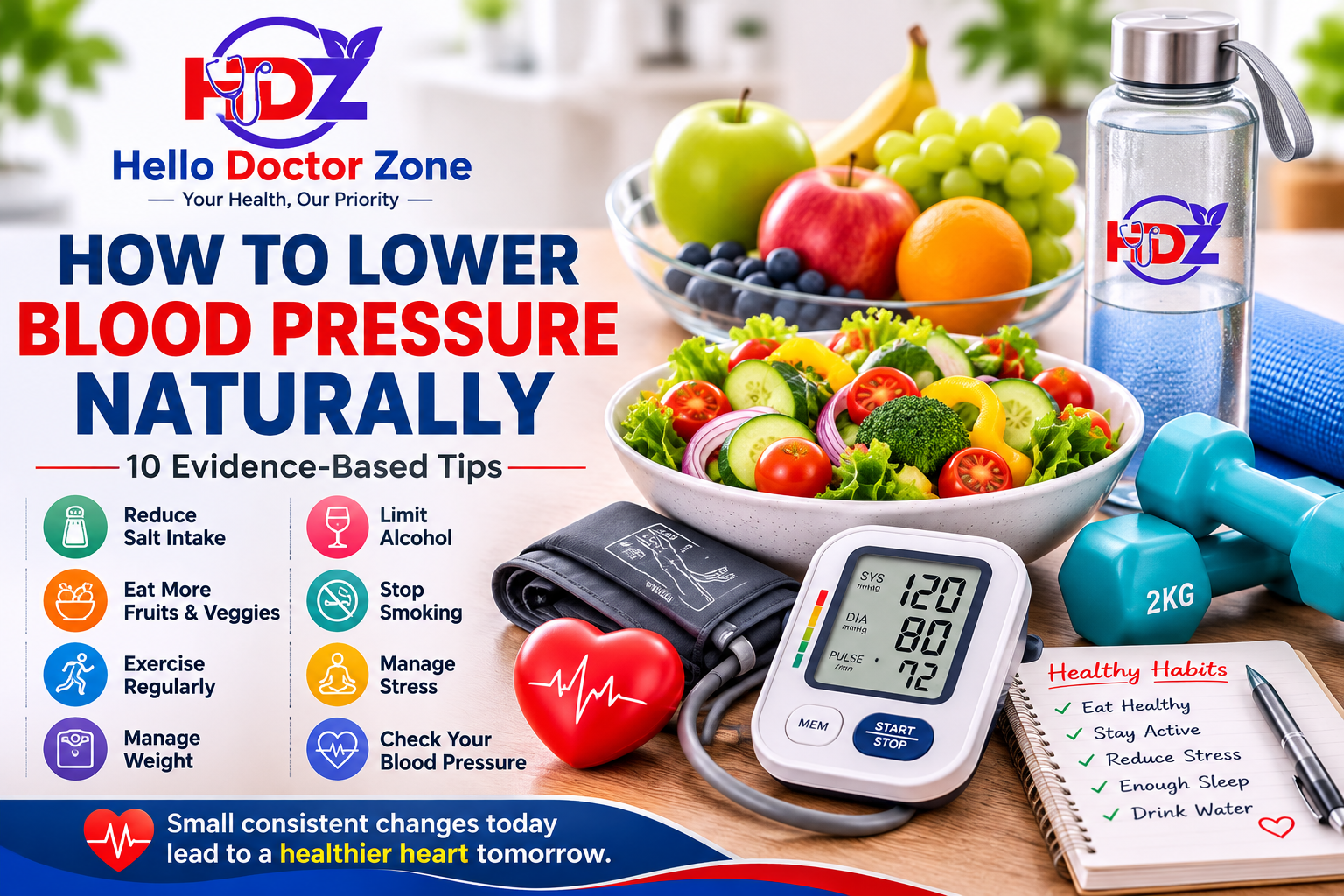
How to Lower Blood Pressure Naturally: 10 Evidence-Based Tips
How to Lower Blood Pressure Naturally: 10 Evidence-Based Tips
Author: Hello Doctor Zone Editorial Team Last updated: September 1, 2026 Reading time: 9–11 minutes
High blood pressure, also known as hypertension, is common and often causes no obvious symptoms. If left uncontrolled, it can increase the risk of serious health problems, including heart disease and stroke.
The good news is that healthy lifestyle changes can help lower blood pressure and support better heart health. Some people may also need prescription medication, depending on their blood pressure and overall cardiovascular risk.
In this article, we explain 10 practical ways to lower blood pressure naturally and when you should speak with a healthcare professional.
What Is High Blood Pressure?
Blood pressure is the force of blood pushing against the walls of your arteries.
A blood pressure reading has two numbers:
Systolic pressure: the top number, when your heart contracts.
Diastolic pressure: the bottom number, when your heart relaxes.
According to NHS guidance, blood pressure is generally considered high when it is 140/90 mmHg or higher when checked by a healthcare professional, or 135/85 mmHg or higher when checked at home. Diagnosis should be based on appropriate measurements rather than a single reading.
10 Ways to Lower Blood Pressure Naturally
1. Reduce Your Salt Intake
Eating too much salt can contribute to high blood pressure.
For adults, NHS guidance recommends having no more than 6 grams of salt per day, which is approximately one level teaspoon. This includes salt already present in food as well as salt added during cooking or at the table.
Many people consume more salt than they realise because it is found in packaged foods, sauces, processed meats, ready meals, takeaways and other everyday foods.
Simple ways to eat less salt:
Taste food before adding extra salt.
Choose lower-salt products.
Check food labels.
Eat fewer processed foods.
Reduce salty snacks.
Use herbs, spices, garlic, lemon or black pepper for flavour.
Reducing salt does not mean that your food has to be bland.
2. Eat More Fruit and Vegetables
A balanced diet containing plenty of fruit and vegetables can support cardiovascular health and help with blood pressure management.
Try to include a variety of:
Leafy green vegetables
Tomatoes
Carrots
Broccoli
Berries
Apples
Oranges
Bananas
Beans and other pulses
Rather than focusing on one “superfood,” aim for a balanced eating pattern that you can maintain long term.
NHS guidance recommends a healthy, balanced diet as part of managing high blood pressure.
3. Exercise Regularly
Regular physical activity can help lower blood pressure and improve overall cardiovascular fitness.
For many adults, the NHS recommends aiming for at least 150 minutes of moderate physical activity per week.
You do not necessarily need to join a gym.
Activities can include:
Brisk walking
Cycling
Swimming
Dancing
Gardening
Jogging
Exercise classes
If you have not exercised for a long time or have a health condition, speak with a healthcare professional about what type and amount of exercise is appropriate for you.
4. Lose Weight If You Are Overweight
Being overweight can increase your risk of high blood pressure.
If you are overweight, gradually losing weight can support healthier blood pressure and improve overall cardiovascular health.
You do not need to follow extreme diets or attempt rapid weight loss.
Instead, focus on sustainable changes such as:
Eating more vegetables
Reducing highly processed foods
Controlling portion sizes
Drinking more water instead of sugary drinks
Being more physically active
If you need help with weight management, a doctor, dietitian or other qualified healthcare professional can help you create a suitable plan.
5. Limit Alcohol
Drinking too much alcohol can contribute to high blood pressure.
NHS guidance recommends that adults who drink alcohol should generally have no more than 14 units per week, spread over 3 or more days. Having several alcohol-free days each week can also help.
If you currently drink heavily, reducing your intake can be an important step toward better health.
If you are dependent on alcohol, however, do not suddenly stop without medical advice, because withdrawal can be dangerous for some people.
6. Stop Smoking
Smoking damages blood vessels and increases cardiovascular risk.
Stopping smoking is one of the most important things you can do for your overall heart and blood vessel health.
If you smoke and want to quit, consider speaking with a healthcare professional or a recognised smoking-cessation service for support.
Do not be discouraged if you have tried to quit before. Many people need more than one attempt before they stop successfully.
7. Reduce Excess Caffeine
Caffeine can temporarily increase blood pressure in some people.
Coffee, tea, cola and energy drinks can contain caffeine.
If you have high blood pressure, you may want to pay attention to how your blood pressure responds to caffeinated drinks.
Avoid relying on very large amounts of caffeine to stay awake or improve energy levels.
If you are concerned about your caffeine intake or blood pressure, discuss it with a healthcare professional.
8. Manage Long-Term Stress
Long-term stress can affect your overall health and may contribute to unhealthy habits such as overeating, smoking, drinking alcohol or being physically inactive.
Finding healthy ways to manage stress can support your overall wellbeing.
You could try:
Regular walking
Breathing exercises
Meditation
Spending time with friends or family
Reading
Gentle exercise
Taking regular breaks from work
Maintaining a consistent sleep routine
Stress management should be considered part of a healthy lifestyle rather than a replacement for medical treatment.
9. Get Your Blood Pressure Checked Regularly
Because high blood pressure often causes no symptoms, checking your blood pressure is much more reliable than waiting until you feel unwell.
Blood pressure can be checked in healthcare settings and, in some places, pharmacies.
You can also monitor it at home using a suitable blood pressure monitor.
When checking your blood pressure at home:
Sit comfortably.
Keep your feet flat on the floor.
Support your arm on a table.
Relax before taking the measurement.
Avoid talking while the reading is being taken.
Follow the instructions supplied with your monitor.
Record your readings if your healthcare professional recommends monitoring.
NHS guidance notes that home monitoring can be used when appropriate to assess blood pressure.
10. Take Blood Pressure Medication If Prescribed
Lifestyle changes are important, but they are not always enough on their own.
Some people with hypertension need medication to reduce their blood pressure and cardiovascular risk.
Your doctor may recommend medication depending on factors such as:
How high your blood pressure is
Your age
Your cardiovascular risk
Other health conditions
Whether lifestyle changes have been sufficient
There are several types of blood pressure medicines, and the best option depends on the individual.
Never stop taking prescribed blood pressure medication without speaking with your doctor first.
What Foods Can Help Support Healthy Blood Pressure?
There is no single food that can cure hypertension.
However, a balanced diet can support healthier blood pressure.
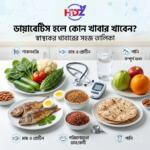
Good choices can include:
Fresh vegetables
Fruits
Whole grains
Beans and pulses
Nuts and seeds without added salt
Lean sources of protein
Fish
Lower-fat dairy products, where suitable
Try to limit foods that are particularly high in salt, saturated fat or added sugar.
Remember that overall eating habits matter more than one individual food.
What Foods Should You Limit If You Have High Blood Pressure?
Consider limiting foods that are frequently high in salt or unhealthy fats, such as:
Processed meats
Crisps and salty snacks
Instant noodles
Some ready meals
Fast food
Takeaways
Very salty sauces
Foods with large amounts of added salt
Always check food labels when possible.
NHS guidance notes that much of the salt people eat comes from everyday packaged and processed foods rather than simply from the salt shaker.
How Quickly Can Lifestyle Changes Lower Blood Pressure?
There is no single timeframe that applies to everyone.
Blood pressure can respond differently depending on your starting blood pressure, diet, activity level, weight, medications and other health factors.
Some lifestyle improvements may have an effect within weeks, while maintaining healthier habits over months and years is important for long-term cardiovascular health.
The goal should not be a quick temporary change.
The goal is to build habits that you can maintain.
Can You Lower Blood Pressure Without Medication?
Sometimes lifestyle changes can significantly improve blood pressure.
However, not everyone can control hypertension through lifestyle changes alone.
If your blood pressure is very high or your doctor believes you have a higher risk of cardiovascular complications, medication may be recommended alongside lifestyle changes.
Therefore, do not stop or avoid prescribed medication because you have started exercising or changing your diet.
When Should You See a Doctor?
Speak with a healthcare professional if:
You repeatedly have high blood pressure readings.
You have risk factors for hypertension.
You have been advised to monitor your blood pressure.
You are taking blood pressure medication.
You are experiencing concerning symptoms.
You are unsure whether your home blood pressure readings are normal.
Regular monitoring can help identify high blood pressure before it causes serious complications.
When Is High Blood Pressure an Emergency?
High blood pressure often causes no symptoms, but some symptoms can indicate a serious medical emergency.
Seek emergency medical help if you develop symptoms such as:
Severe or persistent chest pain
Severe difficulty breathing
Sudden weakness or numbness
Sudden facial drooping
Difficulty speaking
Sudden confusion
Loss of consciousness
Sudden serious changes in vision
In the UK, call 999 for a life-threatening emergency.
In Canada, call 911 for a medical emergency.
Do not rely on an online article to diagnose an emergency.
Frequently Asked Questions
What is the fastest way to lower blood pressure naturally?
There is no guaranteed instant natural method for safely lowering high blood pressure. Sustainable lifestyle changes such as reducing salt, exercising regularly, maintaining a healthy weight and limiting alcohol can help manage blood pressure over time.
Can drinking water lower blood pressure?
Staying adequately hydrated is important for general health, but drinking extra water is not a treatment for hypertension. If your blood pressure is high, follow appropriate medical and lifestyle advice.
Does walking lower blood pressure?
Regular physical activity, including activities such as brisk walking, can support healthier blood pressure and cardiovascular fitness. NHS guidance recommends regular exercise as part of a healthy lifestyle.
Can cutting salt lower blood pressure?
Reducing excessive salt intake can help lower blood pressure. Adults are generally advised to consume no more than 6g of salt per day in NHS guidance.
Can high blood pressure be cured naturally?
Some people can improve their blood pressure substantially through lifestyle changes, but hypertension does not always disappear completely. Some people need long-term medication in addition to lifestyle measures.
Should I stop my blood pressure medicine if my readings improve?
No. Never stop or change prescribed blood pressure medication without discussing it with your doctor. Improved readings may mean that your treatment is working.
Final Takeaway
The best way to lower blood pressure naturally is to focus on consistent, evidence-based lifestyle changes.
Start with practical steps:
Eat a balanced diet.
Reduce excess salt.
Exercise regularly.
Maintain a healthy weight.
Limit alcohol.
Stop smoking.
Be sensible with caffeine.
Manage long-term stress.
Check your blood pressure regularly.
Take prescribed medication as directed.
Small changes can add up over time. If you have consistently high blood pressure, speak with a qualified healthcare professional rather than trying to manage the condition entirely on your own.
Medical Disclaimer
This article is for general educational and informational purposes only. It is not a substitute for professional medical advice, diagnosis or treatment.
Do not stop, start or change prescription medication based solely on information in this article. If you have concerns about your blood pressure or symptoms, speak with a qualified healthcare professional.
Hello Doctor Zone does not provide emergency medical care. In an emergency, contact your local emergency service.




Add a Comment