How to Measure Blood Pressure at Home Correctly

How to Measure Blood Pressure at Home Correctly
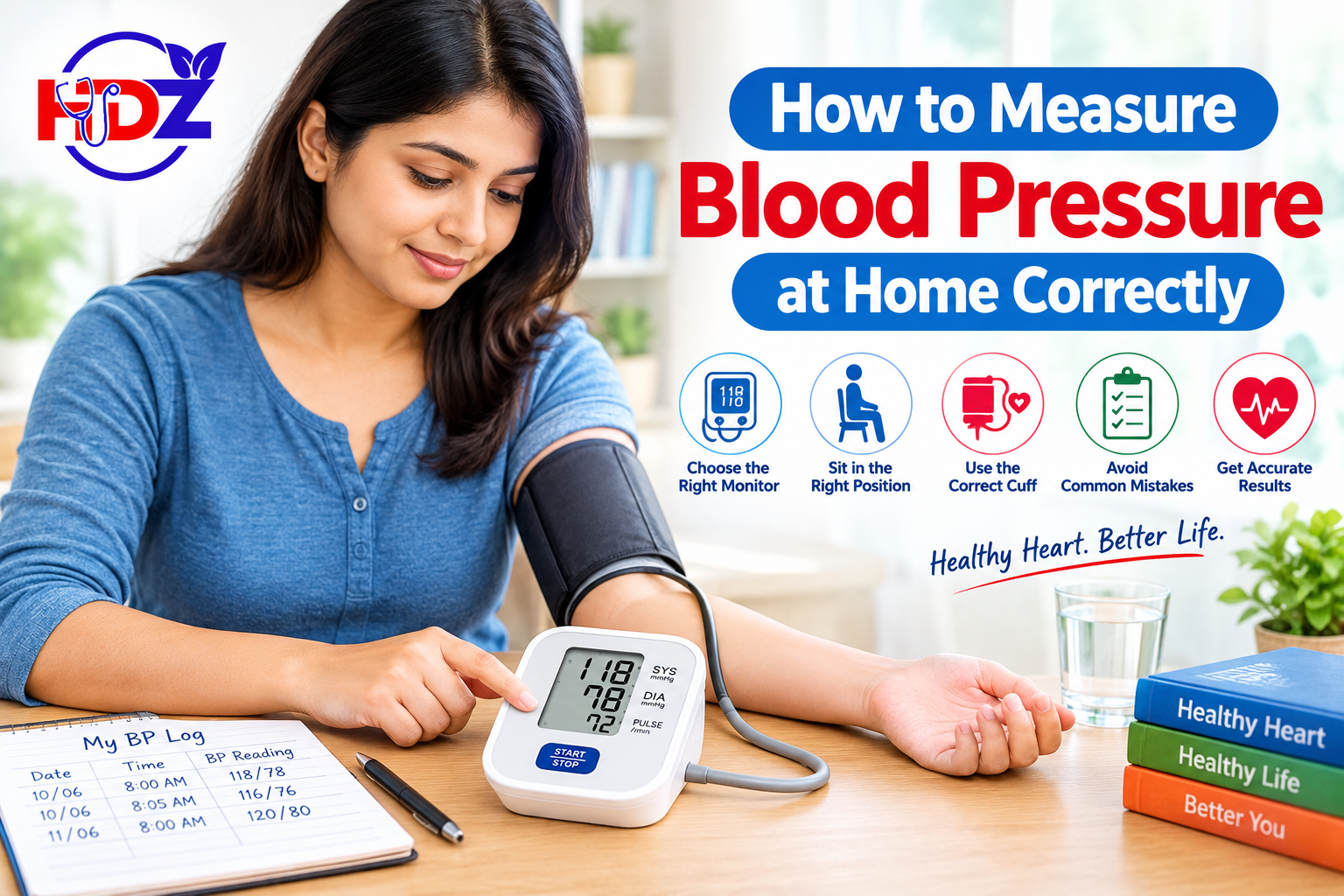
How to measure blood pressure at home correctly

Author: Hello Doctor Zone Editorial Team
Last updated: October 5, 2026
Reading time: 8–10 minutes

Checking your blood pressure at home can be a useful way to understand your blood pressure over time. It can also help your healthcare professional see whether lifestyle changes or treatment are working.

However, the way you measure your blood pressure matters. Sitting incorrectly, talking during the measurement, using the wrong cuff size or measuring immediately after exercise or caffeine can affect the result.

The good news is that home blood pressure monitoring is relatively simple when you use the right equipment and follow a consistent technique.

In this guide, you’ll learn how to measure blood pressure at home correctly, how to choose a monitor, how to position your body and what to do if your reading is unusually high.


Why Measure Blood Pressure at Home?

Blood pressure can vary throughout the day.

A reading taken in a doctor’s office is only a snapshot. Home monitoring allows you to collect readings under more consistent conditions and can help healthcare professionals understand your usual blood pressure. The American Heart Association recommends home monitoring for people with high blood pressure and says it can also help with confirming a diagnosis or checking whether treatment is working.

Some people also experience white-coat hypertension, where their blood pressure is higher in a medical setting than it is outside the clinic.

Other people can have the opposite pattern, sometimes called masked hypertension, where readings are normal in the clinic but higher at home.

This is one reason repeated measurements can provide more useful information than a single reading.


What Do You Need to Measure Blood Pressure at Home?

You need a reliable blood pressure monitor with an appropriately sized cuff.

The American Heart Association recommends an automatic upper-arm cuff-style monitor. Wrist and finger monitors are generally less reliable, and the cuff needs to fit your upper arm correctly.

When choosing a monitor:

  • Prefer an automatic upper-arm device.
  • Check that the monitor has been validated for accuracy.
  • Make sure the cuff fits your arm.
  • Follow the manufacturer’s instructions.
  • Consider taking your monitor to a healthcare appointment so its readings can be compared with clinical equipment.

If you’re in the UK, NHS England recommends choosing a monitor that has been validated for accuracy, including devices listed by the British and Irish Hypertension Society.


How to Measure Blood Pressure at Home: Step by Step

1. Avoid Things That Can Temporarily Raise Your Reading

Before measuring your blood pressure, try to avoid:

  • Exercise
  • Smoking
  • Caffeinated drinks
  • Other activities that may temporarily raise your blood pressure

The American Heart Association recommends avoiding smoking, caffeine and exercise for at least 30 minutes before measuring. It also recommends emptying your bladder before taking the reading.

If possible, measure your blood pressure under similar conditions each time.


2. Empty Your Bladder

A full bladder can affect blood pressure readings.

Before starting your measurement, use the bathroom if you need to.

This is a small step, but it can help make your measurement more consistent.


3. Sit Quietly for at Least Five Minutes

Don’t immediately put on the cuff and press the start button after walking around.

Instead, sit quietly for at least five minutes before measuring.

During this time:

  • Don’t talk.
  • Don’t use your phone.
  • Don’t exercise.
  • Try to relax.

The American Heart Association recommends at least five minutes of quiet rest before taking a measurement.


4. Sit in the Correct Position

Your body position matters.

Sit on a chair with:

  • Your back supported
  • Both feet flat on the floor
  • Legs uncrossed
  • Your body relaxed

Avoid measuring while standing, walking or sitting on a sofa where your back and arm are unsupported.

Your arm should be supported on a flat surface with the upper arm approximately at heart level.


5. Put the Cuff on Bare Skin

Place the blood pressure cuff directly on your bare upper arm.

Do not put the cuff over clothing.

The middle of the cuff should be positioned around the upper arm at heart level, with the bottom of the cuff just above the bend of the elbow.

Follow the instructions supplied with your particular monitor because cuff placement can vary slightly between devices.


6. Keep Your Arm Supported

Rest your arm on a table or another flat surface.

Your arm should be relaxed and supported rather than hanging down.

Keep the cuff and upper arm approximately level with your heart.

Poor arm positioning can affect the accuracy of the measurement.


7. Don’t Talk During the Measurement

Once the measurement begins, stay quiet and still.

Don’t talk to someone nearby, answer your phone or move your arm.

Even small distractions can make it harder to obtain a reliable reading.

The American Heart Association specifically recommends remaining quiet during measurement.


8. Take Two Readings

Don’t rely on just one measurement when monitoring your blood pressure at home.

Take two readings about one minute apart and record both results.

For example:

ReadingBlood Pressure
First reading136/84 mmHg
Second reading132/82 mmHg

Your healthcare professional can help you interpret the readings and determine whether you need further monitoring.


9. Record Your Results

Keeping a blood pressure log can be very helpful.

Record:

  • Date
  • Time
  • First reading
  • Second reading
  • Which arm you used
  • Any relevant notes

For example:

DateTimeReading 1Reading 2
MondayMorning136/84132/82
MondayEvening129/80128/78
TuesdayMorning134/82131/80

Your healthcare professional may ask you to record readings for several days.

NICE guidance recommends home blood pressure monitoring for diagnosis using measurements twice daily, ideally morning and evening, for at least 4 days and preferably 7 days, with two consecutive measurements at least one minute apart.

However, the exact monitoring schedule can depend on why you’re checking your blood pressure, so follow your healthcare professional’s instructions.


What Is a Normal Blood Pressure Reading at Home?

Blood pressure categories can differ between guidelines and settings.

According to NHS guidance, blood pressure is usually considered high when it is 140/90 mmHg or higher in a healthcare setting or 135/85 mmHg or higher when measured at home.

However, don’t diagnose yourself based on one reading.

A pattern of readings over time is much more useful.

For a detailed explanation of blood pressure numbers, read:

👉 What Is a Normal Blood Pressure Reading? Numbers Explained


Common Mistakes When Measuring Blood Pressure

Even a good monitor can produce a misleading reading if it isn’t used correctly.

Common mistakes include:

1. Measuring immediately after exercise
Wait at least 30 minutes after exercise.

2. Drinking caffeine shortly before measuring
Caffeine can temporarily affect blood pressure.

3. Smoking before measurement
Smoking can temporarily affect blood pressure.

4. Talking during the reading
Stay quiet.

5. Crossing your legs
Keep both feet flat on the floor.

6. Unsupported back
Use a chair with back support.

7. Unsupported arm
Rest your arm on a flat surface.

8. Cuff over clothing
Place the cuff directly on bare skin.

9. Wrong cuff size
An incorrectly sized cuff can produce inaccurate readings.

10. Taking only one reading
Take two readings about one minute apart.


Can You Measure Blood Pressure on Either Arm?

For most people, either arm can be used for home monitoring, but readings can sometimes differ between arms.

If you are starting home monitoring, ask your healthcare professional which arm you should use.

Once you’ve established which arm to use, measuring consistently can make your results easier to compare over time.

If you notice a significant or persistent difference between your arms, discuss it with a healthcare professional.


How Often Should You Check Your Blood Pressure?

There isn’t one schedule that is right for everyone.

Your healthcare professional may recommend monitoring:

  • Once or twice a day
  • Morning and evening
  • For several days
  • When starting or changing treatment
  • When investigating possible hypertension

For diagnostic home monitoring, NICE recommends two measurements in the morning and two in the evening over at least 4 days, ideally 7 days.

If you already have a blood pressure treatment plan, follow the monitoring schedule recommended by your healthcare professional.

Checking your blood pressure repeatedly throughout the day without a reason can sometimes increase anxiety and make the numbers harder to interpret.


What Should You Do If Your Blood Pressure Is High?

Don’t panic because of a single high reading.

First:

  1. Sit quietly.
  2. Rest for several minutes.
  3. Check that your cuff is positioned correctly.
  4. Repeat the measurement.
  5. Record both readings.

If your readings remain consistently high, contact a healthcare professional for advice.

Lifestyle changes can also help with long-term blood pressure control.

You can read our guide:

👉 How to Lower Blood Pressure Quickly and Safely

Remember that “quickly” does not mean there is a safe home remedy that instantly normalises high blood pressure.


What If Your Blood Pressure Is Very High?

A blood pressure reading above 180/120 mmHg is severely high.

If you get a reading this high, wait at least one minute and take another measurement. If it remains very high, seek prompt medical advice.

If very high blood pressure occurs together with symptoms such as:

  • Chest pain
  • Shortness of breath
  • Weakness or numbness
  • Difficulty speaking
  • Vision changes
  • Severe or unusual symptoms

seek emergency medical help. The American Heart Association considers blood pressure above 180/120 mmHg with concerning symptoms a hypertensive emergency.

If you’re in the UK, call 999 for a life-threatening emergency.


Home Blood Pressure Monitoring and Medication

If you’re taking blood pressure medication, home monitoring can help your healthcare professional understand how well your treatment is working.

However, do not stop or change your medication based only on home readings.

The American Heart Association specifically advises people not to stop taking blood pressure medicine without consulting their healthcare professional.

A normal reading while taking medication may mean the treatment is working.


Frequently Asked Questions

Is it better to measure blood pressure in the morning or evening?

Many home-monitoring plans use both morning and evening measurements. NICE recommends morning and evening measurements when home monitoring is being used to help confirm hypertension.

Follow the schedule recommended by your healthcare professional.

How long should I sit before checking my blood pressure?

Sit quietly for at least five minutes before taking the measurement. Avoid talking or using your phone during this rest period.

Can I measure blood pressure after drinking coffee?

It is better to wait. The American Heart Association recommends avoiding caffeine for at least 30 minutes before measuring blood pressure.

Should I take two blood pressure readings?

Yes. Take two readings approximately one minute apart and record the results.

Is a wrist blood pressure monitor accurate?

Upper-arm monitors are generally preferred. The American Heart Association recommends an automatic upper-arm cuff-style monitor because wrist and finger devices can be less reliable.

Can I measure blood pressure over clothing?

No. The cuff should be placed directly on the bare upper arm.

Why is my blood pressure different every time?

Blood pressure naturally varies. Stress, activity, caffeine, smoking, body position, time of day and measurement technique can all affect a reading. That’s why repeated measurements under consistent conditions are useful.


Final Takeaway

Knowing how to measure blood pressure at home correctly can help you get more reliable information about your cardiovascular health.

Use a validated upper-arm monitor with the correct cuff size, avoid caffeine, smoking and exercise shortly before measuring, rest quietly for at least five minutes, sit with your back supported and feet flat, keep your arm supported at heart level, and take two readings about one minute apart.

Most importantly, don’t make medical decisions based on a single number. Keep a record of your readings and discuss persistent high or unusual results with a qualified healthcare professional.


Medical Disclaimer

This article is for general educational and informational purposes only. It is not a substitute for professional medical advice, diagnosis or treatment. Blood pressure targets and treatment can vary depending on age, pregnancy, medical conditions and individual cardiovascular risk. Never stop or change prescribed medication without consulting a qualified healthcare professional. If you experience severe or life-threatening symptoms, seek emergency medical care.


References

  1. NHS – Blood Pressure Test
  2. NHS – High Blood Pressure
  3. American Heart Association – Home Blood Pressure Monitoring
  4. American Heart Association – Home Blood Pressure Measurement Instructions
  5. NICE – Hypertension in Adults
  6. NHS England – Home Blood Pressure Monitoring
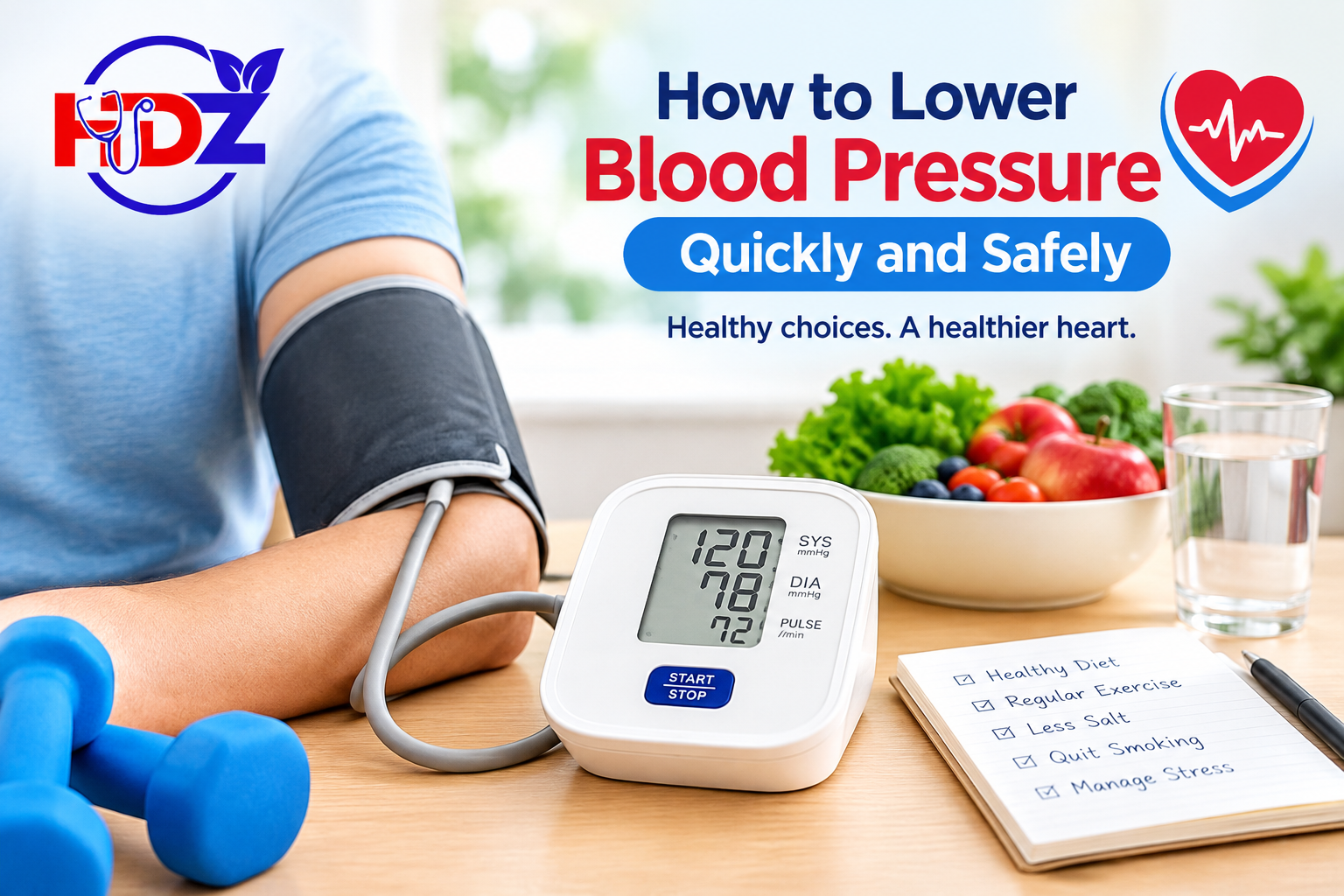
How to Lower Blood Pressure Quickly and Safely

How to Lower Blood Pressure Quickly and Safely

How to lower blood pressure safely with a blood pressure monitor

Author: Hello Doctor Zone Editorial Team
Last updated: September 30, 2026
Reading time: 8–10 minutes

High blood pressure, also called hypertension, is common and often causes no obvious symptoms. If your blood pressure reading is higher than usual, you may wonder how to lower blood pressure quickly and whether there is something you can do immediately.

The important thing to understand is that there is no guaranteed safe home method that instantly brings high blood pressure back to normal. The safest approach depends on how high the reading is, whether you have symptoms, and whether you have already been diagnosed with hypertension.

Healthy lifestyle changes can help lower blood pressure over time, while some people also need prescription medication. NICE recommends lifestyle advice for people with raised or diagnosed high blood pressure, including healthy eating, regular physical activity, reducing excessive alcohol intake, reducing sodium, limiting excessive caffeine and stopping smoking.

If you are concerned about your blood pressure, this guide explains practical steps you can take safely.


What Is High Blood Pressure?

Blood pressure is recorded using two numbers.

  • Systolic pressure: the top number, showing pressure when your heart beats.
  • Diastolic pressure: the bottom number, showing pressure when your heart relaxes between beats.

A single high reading does not necessarily mean you have hypertension. Blood pressure can temporarily rise because of stress, physical activity, caffeine, illness or other factors.

In the UK, NICE recommends confirming hypertension using repeated measurements, often with ambulatory or home blood pressure monitoring rather than relying on a single reading.

If you want to understand blood pressure numbers in more detail, read our guide:

👉 What Is a Normal Blood Pressure Reading? Numbers Explained


How to Lower Blood Pressure Safely

1. Sit Quietly and Recheck Your Blood Pressure

If you unexpectedly get a high reading, don’t immediately panic.

Sit quietly, keep your feet flat on the floor, support your arm and avoid talking while measuring. Then repeat the reading.

The American Heart Association recommends repeating a very high reading after at least one minute. A single high reading may not provide enough information to determine whether you have persistent hypertension.

For home monitoring, try to measure your blood pressure under similar conditions each time and keep a record of your results.


2. Reduce Your Salt Intake

Eating too much sodium can contribute to high blood pressure. Reducing salt intake is therefore one of the most useful dietary changes for people with raised blood pressure.

Instead of adding extra salt to meals, try using herbs, spices, garlic, lemon or other salt-free seasonings for flavour.

Also check packaged foods because foods such as processed meats, ready meals, sauces, soups and salty snacks can contain significant amounts of sodium.

NICE recommends keeping dietary sodium intake low because reducing sodium can help reduce blood pressure.

Simple habit:
Before adding salt to your meal, taste the food first.


3. Eat More Heart-Healthy Foods

A balanced diet can support healthy blood pressure.

Try to include more:

  • Vegetables
  • Fruits
  • Beans and lentils
  • Whole grains
  • Nuts and seeds
  • Fish
  • Lean protein
  • Lower-fat dairy products where appropriate

At the same time, reduce your intake of highly processed foods, foods high in salt, and foods high in saturated fat.

A healthy eating pattern is not about one particular food that dramatically lowers blood pressure. Instead, the overall quality of your diet matters.

NICE recommends healthy eating and regular exercise as part of lifestyle management for hypertension.


4. Exercise Regularly

Regular physical activity can help lower blood pressure and improve cardiovascular health.

For many adults, a practical goal is to build towards around 150 minutes of moderate physical activity per week, provided this is appropriate for their health and fitness level. The NHS recommends regular exercise as part of managing high blood pressure.

You don’t necessarily need an expensive gym membership.

You could start with:

  • Brisk walking
  • Cycling
  • Swimming
  • Dancing
  • Gardening
  • Active household activities

If you have been inactive for a long time or have a medical condition, start gradually and speak with a healthcare professional if you are unsure what level of exercise is appropriate.


5. Lose Weight If You Are Overweight

If you are overweight, losing weight can help improve blood pressure and overall cardiovascular health.

You don’t need to make extreme changes. Sustainable habits such as eating balanced meals, reducing highly processed foods and becoming more physically active can support gradual weight management.

The NHS lists losing weight when overweight as one of the lifestyle measures that can help lower blood pressure.

If you are trying to lose weight, focus on long-term habits rather than crash diets.


6. Limit Alcohol

Regularly drinking too much alcohol can contribute to higher blood pressure.

If you drink alcohol, reducing your intake can be beneficial. NHS guidance advises adults not to regularly drink more than 14 units of alcohol per week.

You can also have several alcohol-free days each week.

If you do not drink alcohol, there is no health reason to start drinking.


7. Stop Smoking

Smoking does not simply affect your lungs. Tobacco use also damages blood vessels and increases cardiovascular risk.

Stopping smoking is one of the most important things you can do for your overall heart and blood vessel health.

NICE recommends offering advice and support to people who smoke to help them stop.

If quitting is difficult, speak with a healthcare professional or an approved smoking-cessation service about available support.


8. Be Careful With Excessive Caffeine

Coffee, tea, energy drinks and cola can contain caffeine.

For some people, caffeine can temporarily increase blood pressure. NICE specifically recommends avoiding excessive consumption of coffee and other caffeine-rich products in people with hypertension.

If you notice that your blood pressure readings are higher after consuming large amounts of caffeine, consider reducing your intake and discuss persistent high readings with a healthcare professional.

Do not rely on caffeine withdrawal as a treatment for diagnosed hypertension.


9. Manage Stress and Improve Sleep

Long-term stress can make healthy habits more difficult and may contribute to unhealthy behaviours such as overeating, smoking or drinking too much alcohol.

Try practical stress-management strategies such as:

  • Walking outdoors
  • Deep breathing
  • Relaxing activities
  • Spending time with friends or family
  • Maintaining a regular sleep schedule
  • Taking breaks from work or screens

Stress management should be considered part of an overall healthy lifestyle rather than a replacement for medical treatment.

If you regularly have difficulty sleeping or suspect a sleep disorder, discuss this with a healthcare professional.


10. Take Prescribed Blood Pressure Medicine as Directed

Lifestyle changes are important, but they do not replace medication for everyone.

Some people with hypertension need prescription medication to reduce their risk of heart attack, stroke and other complications.

NICE recommends antihypertensive medication alongside lifestyle measures for adults with persistent stage 2 hypertension and for certain people with stage 1 hypertension depending on their cardiovascular risk and other health conditions.

Never stop, reduce or change your blood pressure medication without speaking with your healthcare professional.

If your blood pressure remains high despite lifestyle changes, your treatment may need to be reviewed.


How to Lower Blood Pressure Quickly at Home

If your blood pressure is temporarily higher than normal, the safest immediate steps are generally to:

  1. Stop exercising and sit somewhere quiet.
  2. Rest for several minutes.
  3. Keep your feet flat on the floor.
  4. Support your arm at approximately heart level.
  5. Avoid talking while measuring.
  6. Repeat the measurement.
  7. Record both readings.
  8. Contact a healthcare professional if the readings remain unusually high.

These steps can help you obtain a more reliable measurement, but they are not a substitute for medical treatment.

If a reading is repeatedly very high, don’t try to force it down with home remedies.


What Blood Pressure Is Too High?

Blood pressure above 180/120 mmHg is considered severe and requires prompt attention.

The American Heart Association recommends waiting at least one minute and repeating a reading this high. If it remains above 180/120, contact a healthcare professional promptly.

NICE guidance similarly treats a clinic blood pressure of 180/120 mmHg or higher as severe hypertension requiring assessment, with same-day specialist assessment when certain serious symptoms or signs are present.


When Is High Blood Pressure an Emergency?

Very high blood pressure together with certain symptoms can indicate a medical emergency.

Seek emergency medical help if you have a very high blood pressure reading together with symptoms such as:

  • Chest pain
  • Severe shortness of breath
  • New confusion
  • Weakness or numbness
  • Difficulty speaking
  • Significant changes in vision
  • Other sudden or severe symptoms

The American Heart Association identifies blood pressure above 180/120 mmHg with symptoms such as chest pain, shortness of breath, weakness, vision changes or difficulty speaking as a hypertensive emergency.

In the UK, call 999 for life-threatening emergencies such as suspected heart attack or stroke. NHS 111 can provide urgent advice when you are unsure what level of care you need.


Can You Lower Blood Pressure Without Medicine?

Sometimes lifestyle changes can significantly improve blood pressure, particularly when blood pressure is mildly raised.

However, not everyone can control hypertension through lifestyle changes alone.

The right treatment depends on factors such as:

  • Your blood pressure readings
  • Your age
  • Cardiovascular risk
  • Kidney health
  • Diabetes
  • Previous heart or blood vessel disease
  • Other medical conditions
  • Response to lifestyle changes

For some people, medication is necessary even when they follow a healthy lifestyle.

If you have already been prescribed medication, continue taking it as directed unless your healthcare professional tells you otherwise.


How Long Does It Take to Lower Blood Pressure?

There is no single timeline that applies to everyone.

Some lifestyle changes can affect blood pressure relatively quickly, while other improvements may take weeks or longer.

For example, reducing salt intake, becoming more physically active, losing excess weight and reducing alcohol consumption can contribute to better blood pressure control over time.

The goal should not be to chase an instant number. The goal is to achieve consistent, healthy blood pressure over the long term.

Keeping a blood pressure diary can help you and your healthcare professional see whether your changes are working. Home monitoring can also help identify patterns over time.


Related Reading

If you want to learn more about high blood pressure, read:

High Blood Pressure Symptoms: 10 Signs You Should Know

You can also read:

10 Ways to Manage High Blood Pressure Without Medicine

And:

What Is a Normal Blood Pressure Reading? Numbers Explained


Frequently Asked Questions

1. How can I lower my blood pressure quickly?

There is no guaranteed home method that instantly normalises high blood pressure. If you get a high reading, sit quietly, measure again correctly and seek medical advice if it remains unusually high. Lifestyle changes can help lower blood pressure over time.

2. Does drinking water lower blood pressure?

Drinking enough fluid is important for normal body function, but drinking extra water is not a reliable treatment for hypertension. If your blood pressure is high, don’t rely on water alone to lower it.

3. Can walking lower blood pressure?

Regular physical activity, including walking, can help improve blood pressure over time. If you are new to exercise, start gradually and choose an activity that is appropriate for your health.

4. Can reducing salt lower blood pressure?

Yes. Reducing dietary sodium can help lower blood pressure, which is why NICE recommends keeping sodium intake low for people with hypertension.

5. Should I stop my blood pressure medicine if my reading becomes normal?

No. A normal reading may mean that your treatment is working. Do not stop or change prescribed medication without speaking with your healthcare professional.

6. Is 180/120 blood pressure dangerous?

A reading of 180/120 mmHg or higher is very high. Repeat the reading after at least one minute. If it remains this high, seek prompt medical advice. If it occurs with serious symptoms such as chest pain, shortness of breath, weakness, vision changes or difficulty speaking, seek emergency medical help.

7. Can stress temporarily raise blood pressure?

Yes, stress can affect blood pressure. However, repeated high readings should not automatically be blamed on stress. Persistent hypertension should be assessed by a healthcare professional.


Final Takeaway

If you’re wondering how to lower blood pressure, focus on safe and sustainable changes rather than quick fixes.

Regular physical activity, a balanced diet, less dietary salt, maintaining a healthy weight, limiting alcohol, avoiding smoking and monitoring your blood pressure can all support better blood pressure control.

However, lifestyle changes are not always enough. Some people need prescription medication, and very high blood pressure can require urgent medical assessment.

If your blood pressure is repeatedly high, speak with a qualified healthcare professional rather than trying to treat it yourself.


Medical Disclaimer

This article is for general educational and informational purposes only. It is not a substitute for professional medical advice, diagnosis or treatment. Blood pressure targets and treatment can vary depending on age, pregnancy, medical conditions and individual cardiovascular risk. Never stop or change prescribed medication without consulting a qualified healthcare professional. If you experience severe or life-threatening symptoms, seek emergency medical care.

Author: Hello Doctor Zone Editorial Team
Last updated: September 30, 2026


References

  1. NHS – High Blood Pressure NHS: High blood pressure
  2. NICE – Hypertension in adults: diagnosis and management (NG136) NICE: Hypertension in adults
  3. American Heart Association – Understanding Blood Pressure Readings American Heart Association: Blood pressure readings
  4. American Heart Association – Home Blood Pressure Monitoring American Heart Association: Home monitoring
  5. NHS – When to Call 999 NHS: When to call 999


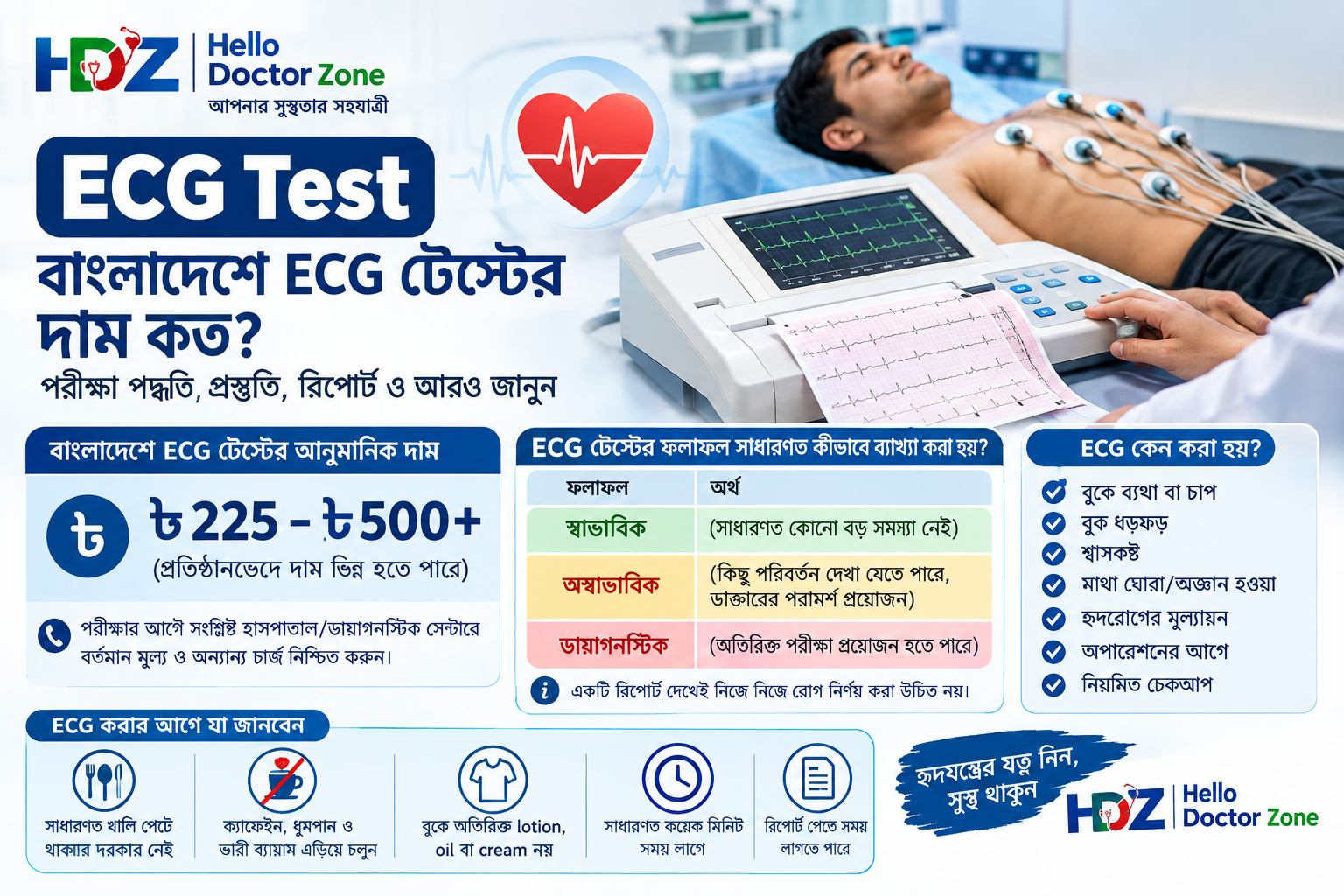
ECG test price in Bangladesh 2026

ECG Test Price in Bangladesh 2026: বাংলাদেশে ECG টেস্টের দাম কত?

ECG test price in Bangladesh 2026

লেখক: Hello Doctor Zone Editorial Team
সর্বশেষ আপডেট: ২৬ সেপ্টেম্বর ২০২৬
পড়তে সময়: ৭ মিনিট

ECG বা Electrocardiogram হলো হৃদপিণ্ডের বৈদ্যুতিক কার্যকলাপ রেকর্ড করার একটি গুরুত্বপূর্ণ ও সাধারণ পরীক্ষা। বুকে ব্যথা, বুক ধড়ফড়, শ্বাসকষ্ট, মাথা ঘোরা বা অনিয়মিত হৃদস্পন্দনের মতো সমস্যায় চিকিৎসক ECG করার পরামর্শ দিতে পারেন।

বাংলাদেশে ECG টেস্টের দাম হাসপাতাল, ডায়াগনস্টিক সেন্টার, শহর এবং পরীক্ষার ধরন অনুযায়ী ভিন্ন হতে পারে। বর্তমানে বিভিন্ন প্রকাশ্য মূল্যতালিকায় সাধারণ ECG-এর দাম প্রায় ৳225 থেকে ৳500 বা তার বেশি দেখা যাচ্ছে; সরকারি প্রতিষ্ঠানে কিছু ক্ষেত্রে খরচ আরও কম হতে পারে।

গুরুত্বপূর্ণ: ECG-এর মূল্য যেকোনো সময় পরিবর্তিত হতে পারে। পরীক্ষা করার আগে সংশ্লিষ্ট হাসপাতাল বা ডায়াগনস্টিক সেন্টারে বর্তমান মূল্য, রিপোর্ট/ডাক্তারের interpretation fee এবং অন্যান্য চার্জ নিশ্চিত করুন।

বাংলাদেশে ECG টেস্টের দাম কত?

সাধারণ resting ECG-এর খরচ প্রতিষ্ঠানভেদে আলাদা। প্রকাশ্য ২০২৬ সালের মূল্যতথ্য অনুযায়ী কিছু বেসরকারি প্রতিষ্ঠানে ECG-এর দাম প্রায় ৳225–৳500 দেখা যাচ্ছে। অন্য কিছু প্রতিষ্ঠানে এর চেয়ে বেশি দামও হতে পারে।

উদাহরণ:

হাসপাতাল/ডায়াগনস্টিক সেন্টারপ্রকাশ্য ECG মূল্য
Ibn Sina Diagnostic Centerপ্রায় ৳225
Popular Medical College & Hospital৳500
Healthcare Diagnostics Center৳450
কিছু অন্যান্য private diagnostic centerপ্রায় ৳250–৳500+

Ibn Sina-এর ECG service-এ 12-lead ECG দেওয়া হয়, যদিও তাদের online service page-এ নির্দিষ্ট বর্তমান দাম দেখানো নেই; তাই তাদের ক্ষেত্রে যাওয়ার আগে সরাসরি price confirm করা উচিত।

Healthcare Diagnostics Center-এর official rate chart-এ ECG-এর মূল্য ৳450 দেওয়া আছে।

Popular Medical College & Hospital-এর official rate chart-এ ECG-এর মূল্য ৳500 দেওয়া আছে।

ECG কী?

ECG-এর পূর্ণরূপ Electrocardiogram। এটি হৃদপিণ্ডের electrical activity বা বৈদ্যুতিক কার্যকলাপের রেকর্ড তৈরি করে।

হৃদপিণ্ডের rhythm ও electrical pattern সম্পর্কে ধারণা পেতে ECG গুরুত্বপূর্ণ একটি পরীক্ষা। তবে ECG রিপোর্টকে একা দেখে সব ধরনের হৃদরোগ নিশ্চিত করা যায় না।

কেন ECG পরীক্ষা করা হয়?

চিকিৎসক বিভিন্ন কারণে ECG করতে বলতে পারেন। যেমন:

  • বুকে ব্যথা বা চাপ অনুভূত হলে

  • বুক ধড়ফড় বা হৃদস্পন্দন অনিয়মিত মনে হলে

  • শ্বাসকষ্ট হলে

  • মাথা ঘোরা বা অজ্ঞান হওয়ার ঘটনা থাকলে

  • কিছু হৃদরোগের মূল্যায়নে

  • কিছু ওষুধের প্রভাব পর্যবেক্ষণে

  • অপারেশনের আগে চিকিৎসকের প্রয়োজন অনুযায়ী

  • পূর্বে হৃদরোগ থাকলে follow-up-এর অংশ হিসেবে

বুকে ব্যথা বা অন্য গুরুতর উপসর্গ থাকলে শুধু ECG-এর দাম বা রিপোর্টের জন্য অপেক্ষা না করে দ্রুত চিকিৎসা নেওয়া গুরুত্বপূর্ণ।

ECG পরীক্ষা কীভাবে করা হয়?

ECG সাধারণত একটি সহজ ও ব্যথামুক্ত পরীক্ষা।

প্রথমে রোগীকে শুয়ে বা আরাম করে থাকতে বলা হয়। এরপর বুক, হাত ও পায়ের নির্দিষ্ট স্থানে ছোট electrode লাগানো হয়। এগুলো হৃদপিণ্ডের electrical signals সংগ্রহ করে ECG machine-এ পাঠায়।

সাধারণ resting ECG সাধারণত কয়েক মিনিটের মধ্যেই সম্পন্ন করা যায়।

ECG পরীক্ষার আগে কি খালি পেটে থাকতে হয়?

সাধারণ resting ECG-এর জন্য সাধারণত খালি পেটে থাকার প্রয়োজন হয় না।

তবে পরীক্ষার আগে ভারী ব্যায়াম, অতিরিক্ত caffeine বা smoking এড়ানোর বিষয়ে কোনো নির্দিষ্ট নির্দেশনা থাকলে সেটি চিকিৎসক বা পরীক্ষাকেন্দ্রের নির্দেশ অনুযায়ী অনুসরণ করুন।

বুকে lotion, oil বা cream ব্যবহার করলে electrode ভালোভাবে লাগতে সমস্যা হতে পারে। তাই পরীক্ষার দিন বুকের ত্বকে অতিরিক্ত lotion বা oil না লাগানো ভালো।

ECG করতে কত সময় লাগে?

সাধারণ ECG পরীক্ষা দ্রুত সম্পন্ন হয়। রোগীর প্রস্তুতি, electrode লাগানো এবং recording মিলিয়ে সাধারণত কয়েক মিনিট সময় লাগতে পারে।

তবে হাসপাতালে registration, waiting time এবং রিপোর্ট পাওয়ার সময় আলাদা হতে পারে।

ECG কি ব্যথা দেয়?

না। ECG সাধারণত ব্যথামুক্ত।

Electrode ত্বকের ওপর লাগানো হয় এবং এগুলো হৃদপিণ্ডে কোনো electrical shock দেয় না। পরীক্ষার সময় machine হৃদপিণ্ডের electrical activity record করে।

কিছু ক্ষেত্রে electrode খুলতে সামান্য অস্বস্তি হতে পারে, বিশেষ করে শরীরে বেশি লোম থাকলে।

ECG রিপোর্টে কী দেখা যায়?

ECG রিপোর্টে সাধারণত হৃদপিণ্ডের electrical activity-এর waveform দেখা যায়।

চিকিৎসক ECG দেখে heart rate, rhythm এবং কিছু electrical pattern মূল্যায়ন করতে পারেন।

রিপোর্টে “normal” বা “abnormal” লেখা থাকলেই নিজে নিজে রোগের diagnosis করা উচিত নয়। রোগীর উপসর্গ, medical history এবং অন্যান্য পরীক্ষার সঙ্গে মিলিয়ে একজন চিকিৎসক ECG ব্যাখ্যা করেন।

ECG কি সব হৃদরোগ শনাক্ত করতে পারে?

না।

ECG একটি গুরুত্বপূর্ণ পরীক্ষা হলেও এটি সব ধরনের হৃদরোগ শনাক্ত করতে পারে না।

কিছু heart rhythm problem মাঝে মাঝে দেখা দেয়। পরীক্ষার সময় সমস্যা না থাকলে resting ECG স্বাভাবিকও আসতে পারে।

প্রয়োজন অনুযায়ী চিকিৎসক আরও পরীক্ষা দিতে পারেন, যেমন:

  • Echocardiogram (2D Echo)

  • Holter monitoring

  • Exercise Tolerance Test (ETT)

  • Blood tests

  • অন্যান্য cardiac imaging

কোন পরীক্ষা দরকার হবে তা রোগীর উপসর্গ ও চিকিৎসকের মূল্যায়নের ওপর নির্ভর করে।

ECG এবং Echo কি একই পরীক্ষা?

না।

ECG হৃদপিণ্ডের electrical activity রেকর্ড করে।

অন্যদিকে Echocardiogram বা 2D Echo ultrasound ব্যবহার করে হৃদপিণ্ডের গঠন ও pumping function সম্পর্কে তথ্য দেয়।

দুটি পরীক্ষার উদ্দেশ্য আলাদা এবং অনেক সময় চিকিৎসক উভয় পরীক্ষাই দিতে পারেন।

ECG টেস্টের দাম কেন আলাদা হয়?

একটি প্রতিষ্ঠানে ECG-এর দাম অন্যটির তুলনায় বেশি বা কম হওয়ার বিভিন্ন কারণ থাকতে পারে।

যেমন:

  • হাসপাতাল বা diagnostic center-এর ধরন

  • location

  • equipment ও service

  • report format

  • doctor interpretation included কি না

  • package-এর অংশ কি না

  • registration বা অন্যান্য service charge

  • emergency service কি না

তাই শুধু test price নয়, মোট কত টাকা দিতে হবে এবং কী কী অন্তর্ভুক্ত আছে তা আগে জেনে নেওয়া ভালো।

ECG করার আগে কী কী জেনে নেবেন?

পরীক্ষা করার আগে ফোন করে জেনে নিতে পারেন:

  1. ECG-এর বর্তমান দাম কত?

  2. এটি কি 12-lead ECG?

  3. Printed report কি fee-এর মধ্যে আছে?

  4. Doctor/cardiologist interpretation-এর জন্য আলাদা fee আছে কি?

  5. Emergency ECG-এর জন্য অতিরিক্ত charge আছে কি?

  6. রিপোর্ট কতক্ষণে পাওয়া যাবে?

  7. আগে appointment দরকার কি না?

এতে অতিরিক্ত বা unexpected charge এড়ানো সহজ হবে।

সরকারি হাসপাতালে ECG-এর দাম কি কম?

অনেক সরকারি স্বাস্থ্য প্রতিষ্ঠানে diagnostic test-এর fee private facility-এর তুলনায় কম হতে পারে। তবে প্রতিটি প্রতিষ্ঠানের বর্তমান rate, availability এবং referral/registration requirements আলাদা হতে পারে।

তাই নির্দিষ্ট সরকারি হাসপাতালের বর্তমান ECG fee আগে সংশ্লিষ্ট কর্তৃপক্ষের কাছ থেকে নিশ্চিত করা ভালো।

ECG test কি নিরাপদ?

সাধারণ resting ECG একটি non-invasive এবং সাধারণত নিরাপদ পরীক্ষা। এতে শরীরে কোনো radiation ব্যবহার করা হয় না এবং ECG electrode electrical signal record করে।

তবে electrode লাগানোর কারণে কিছু মানুষের সামান্য skin irritation হতে পারে।

বুকে ব্যথা হলে ECG কখন করা উচিত?

বুকে চাপ বা ব্যথা, শ্বাসকষ্ট, ঠান্ডা ঘাম, বমি বমি ভাব, অস্বাভাবিক দুর্বলতা বা ব্যথা হাত/কাঁধ/চোয়ালে ছড়িয়ে পড়ার মতো উপসর্গ হলে এটিকে জরুরি অবস্থা হিসেবে গুরুত্ব দিন।

এ ধরনের উপসর্গ থাকলে শুধু online article পড়ে বা ECG test price তুলনা করে সময় নষ্ট না করে জরুরি চিকিৎসা নিন।

Frequently Asked Questions (FAQ)

বাংলাদেশে ECG test-এর দাম কত?

সাধারণ ECG-এর দাম প্রতিষ্ঠানভেদে পরিবর্তিত হয়। ২০২৬ সালের প্রকাশ্য তথ্য অনুযায়ী কিছু private diagnostic center-এ প্রায় ৳225–৳500 দামের উদাহরণ পাওয়া যাচ্ছে, তবে কিছু প্রতিষ্ঠানে এর চেয়ে বেশি হতে পারে।

ECG কি খালি পেটে করতে হয়?

সাধারণত resting ECG-এর জন্য fasting দরকার হয় না। তবে অন্য কোনো পরীক্ষার সঙ্গে ECG করলে সেই পরীক্ষার fasting requirement থাকতে পারে।

ECG করতে কত সময় লাগে?

সাধারণ resting ECG দ্রুত সম্পন্ন হয় এবং recording সাধারণত কয়েক মিনিটের মধ্যে করা যায়।

ECG কি ব্যথা দেয়?

না। ECG সাধারণত ব্যথামুক্ত পরীক্ষা।

ECG কি হার্ট অ্যাটাক শনাক্ত করতে পারে?

ECG হার্ট অ্যাটাকের মূল্যায়নে গুরুত্বপূর্ণ পরীক্ষা হতে পারে, কিন্তু ECG একাই সব ক্ষেত্রে চূড়ান্ত diagnosis দেয় না। উপসর্গ ও অন্যান্য পরীক্ষার ফলও বিবেচনা করা হয়।

ECG এবং Echo কি একই?

না। ECG হৃদপিণ্ডের electrical activity রেকর্ড করে, আর Echo ultrasound-এর মাধ্যমে হৃদপিণ্ডের structure ও function মূল্যায়ন করে।

ECG রিপোর্ট normal হলে কি হার্ট পুরোপুরি সুস্থ?

অবশ্যই নয়। কিছু হৃদরোগ বা intermittent rhythm problem একটি সাধারণ ECG-তে ধরা নাও পড়তে পারে। উপসর্গ থাকলে চিকিৎসকের পরামর্শ নেওয়া জরুরি।

সংক্ষেপে

বাংলাদেশে ECG টেস্টের দাম হাসপাতাল ও diagnostic center অনুযায়ী পরিবর্তিত হয়। ২০২৬ সালের প্রকাশ্য মূল্যতথ্যে কিছু প্রতিষ্ঠানে প্রায় ৳225 থেকে ৳500 দামের উদাহরণ রয়েছে, আবার অন্য প্রতিষ্ঠানে আরও বেশি হতে পারে।

ECG একটি দ্রুত, সাধারণত ব্যথামুক্ত পরীক্ষা হলেও রিপোর্ট নিজে নিজে interpret করা উচিত নয়। বুকে ব্যথা, শ্বাসকষ্ট, বুক ধড়ফড় বা অন্য কোনো গুরুতর উপসর্গ থাকলে একজন যোগ্য চিকিৎসকের পরামর্শ নিন।

⚠️ স্বাস্থ্য-সংক্রান্ত গুরুত্বপূর্ণ নোট

এই article সাধারণ স্বাস্থ্যতথ্যের উদ্দেশ্যে লেখা। এটি রোগ নির্ণয় বা ব্যক্তিগত চিকিৎসা পরামর্শের বিকল্প নয়। ECG-এর বর্তমান মূল্য পরিবর্তিত হতে পারে, তাই পরীক্ষা করার আগে সংশ্লিষ্ট হাসপাতাল বা diagnostic center-এর সঙ্গে যোগাযোগ করে মূল্য ও অন্যান্য charges নিশ্চিত করুন।

তথ্যসূত্র

লেফটেন্যান্ট কর্নেল ডাঃ আনোয়ার পারভেজ ভূঁইয়া

সিরিয়ালের জন্য যোগাযোগ করুন -

লেফটেন্যান্ট কর্নেল ডা. আনোয়ার পারভেজ ভূঁইয়া এমবিবিএস, এফসিপিএস, এমপিএইচ, গ্রেডিং কোর্স ইন সাইকিয়াট্রি (এএফএমআই), অ্যাডভান্সড ট্রেনিং অন অটিজম অ্যান্ড নিউরোডেভেলপমেন্টাল ডিসঅর্ডার (নিমহ্যান্স)

লেফটেন্যান্ট কর্নেল ডা. আনোয়ার পারভেজ ভূঁইয়া

সাইকিয়াট্রি (মস্তিষ্ক, মানসিক রোগ, আসক্তি) বিশেষজ্ঞ

এমবিবিএস, এফসিপিএস, এমপিএইচ, গ্রেডিং কোর্স ইন সাইকিয়াট্রি (এএফএমআই), অ্যাডভান্সড ট্রেনিং অন অটিজম অ্যান্ড নিউরোডেভেলপমেন্টাল ডিসঅর্ডার (নিমহ্যান্স)

বগুড়া আর্মি মেডিকেল কলেজ

ডাক্তারের ভিজিট

নতুন রোগী - ৳ ১০০০

পুরাতন রোগী - ৳ ৮০০

সিরিয়ালের জন্য ফোন করুন -

রোগী দেখার সময়-

বিঃদ্রঃ আপনি যদি এই তথ্যটি আপডেট অথবা মুছতে চান তবে দয়া করে আমাদের সাথে যোগাযোগ করুন।