Is Pneumonia Contagious? Symptoms & How It Spreads

Is Pneumonia Contagious? Symptoms, Causes, and How It Spreads
Learn how pneumonia spreads, common symptoms, and ways to protect your respiratory health.

Author: Hello Doctor Zone Editorial Team
Last Updated: November 3, 2026
Reading Time: 8–10 minutes

Pneumonia is a lung infection that can cause coughing, fever, chest discomfort, and difficulty breathing. It can affect people of all ages, although young children, older adults, and people with certain medical conditions are at a higher risk of serious illness.

One common question people ask is: Is pneumonia contagious?

The answer is a little more complicated than yes or no. Pneumonia itself is not directly contagious, but many bacteria and viruses that cause pneumonia can spread from person to person.

In this guide, we explain how pneumonia spreads, which types may be contagious, how long someone may spread the infection, common symptoms, and ways to reduce your risk.

1. Is Pneumonia Contagious?

Pneumonia is an infection or inflammation of the lungs, often caused by bacteria or viruses. Some cases can also result from fungi or from inhaling food, liquid, or other material into the lungs.

Pneumonia itself is not directly contagious, but the germs that cause certain types of pneumonia can be contagious.

For example, a person with influenza may spread the flu virus to someone else. That second person may develop influenza and, in some cases, pneumonia.

Similarly, certain bacteria that cause pneumonia can spread through respiratory droplets when an infected person coughs or sneezes.

However, not everyone exposed to these germs develops pneumonia. The outcome depends on factors such as the germ involved, a person’s immune system, age, and underlying health conditions.

2. How Does Pneumonia Spread?

The way pneumonia spreads depends on its cause.

Respiratory Droplets

Some bacteria and viruses that cause pneumonia spread through respiratory droplets released when an infected person coughs, sneezes, or talks.

People nearby may inhale these particles and become infected.

Close Contact

Spending time in close contact with someone who has a contagious respiratory infection can increase the chance of exposure.

This is particularly relevant in households, schools, workplaces, and other crowded environments.

Contaminated Hands and Surfaces

Some respiratory germs may spread when people touch contaminated surfaces and then touch their eyes, nose, or mouth.

Handwashing and avoiding unnecessary face touching can help reduce exposure.

Not Every Type of Pneumonia Spreads Between People

Pneumonia caused by fungi generally does not spread from person to person. Some cases of aspiration pneumonia occur when food, liquid, or stomach contents enter the lungs rather than through a contagious infection.

Understanding the cause is important when deciding what precautions are needed.

3. Which Types of Pneumonia Are Contagious?

Different germs can cause pneumonia, and their ability to spread varies.

Viral Pneumonia

Viruses such as influenza, respiratory syncytial virus (RSV), and COVID-19 can cause pneumonia.

These viruses can spread between people through respiratory particles or other routes, depending on the virus.

A person may initially develop a viral respiratory infection and later develop pneumonia.

Bacterial Pneumonia

Certain bacteria can cause pneumonia and spread between people.

Examples include:

  • Streptococcus pneumoniae

  • Mycoplasma pneumoniae

  • Other respiratory bacteria

Some bacterial infections spread through respiratory droplets or close contact.

Walking Pneumonia

Walking pneumonia is commonly associated with Mycoplasma pneumoniae.

It often causes milder symptoms than typical pneumonia, although it can still make people feel unwell.

Mycoplasma pneumoniae spreads through respiratory droplets when infected people cough or sneeze. Transmission is more likely during prolonged close contact.

Fungal Pneumonia

Fungal pneumonia is usually acquired by breathing in fungal spores from the environment.

Most fungal pneumonia does not spread directly from one person to another.

4. How Long Is Pneumonia Contagious?

There is no single contagious period for all pneumonia cases.

The duration depends on the organism causing the infection, the person’s symptoms, treatment, and individual circumstances.

Viral Pneumonia

If pneumonia is caused by a virus, contagiousness depends on the specific virus.

People may spread the infection before symptoms appear and while they remain symptomatic. The timing varies between influenza, RSV, COVID-19, and other respiratory viruses.

Bacterial Pneumonia

Some bacterial infections become less contagious after appropriate antibiotic treatment begins.

However, the timing depends on the bacteria and the treatment prescribed. It is not safe to assume that every bacterial pneumonia becomes noncontagious after exactly 24 or 48 hours.

Walking Pneumonia

Mycoplasma pneumoniae infections can spread over an extended period, particularly during prolonged close contact.

A healthcare professional can provide more specific guidance based on the suspected or confirmed infection.

Important: Feeling better does not always mean that every contagious risk has disappeared. Follow advice about staying home, returning to work or school, and protecting vulnerable people.

5. What Are the Symptoms of Pneumonia?

Pneumonia symptoms can develop suddenly or gradually over several days.

Common symptoms include:

  • Persistent cough, sometimes with mucus

  • Fever

  • Chills or sweating

  • Shortness of breath

  • Chest pain when breathing or coughing

  • Fatigue or unusual weakness

  • Loss of appetite

  • Muscle aches

  • Confusion, particularly in older adults

Some people may have relatively mild symptoms, while others develop serious breathing problems.

In babies and young children, pneumonia may cause fast breathing, difficulty feeding, unusual sleepiness, or chest pulling inward during breathing.

Older adults may develop confusion or weakness without having a high fever.

6. How Can You Tell Pneumonia From a Cold or Flu?

Pneumonia can sometimes begin with symptoms that resemble a cold or flu.

SymptomCommon ColdFluPneumonia
Runny noseCommonSometimesLess typical
FeverUsually mild or absentOften presentMay be present
Body achesMildOften significantPossible
CoughUsually mildCommonOften persistent
Shortness of breathUncommonPossibleMore concerning
Chest pain with breathingUncommonPossibleCan occur
Severe fatigueUsually mildCommonCan be significant

These symptoms overlap, so a table cannot diagnose pneumonia.

A healthcare professional may recommend an examination, oxygen measurement, chest imaging, or other tests depending on your symptoms.

7. Who Is at Higher Risk of Pneumonia?

Anyone can develop pneumonia, but certain people have a greater risk of serious illness.

Higher-risk groups include:

  • Adults aged 65 years or older

  • Babies and young children

  • People with asthma or chronic lung disease

  • People with heart disease

  • People with diabetes

  • People with weakened immune systems

  • People who smoke

  • People with certain swallowing problems

Smoking can damage the lungs’ natural defenses against respiratory infections.

If you belong to a higher-risk group and develop a fever, persistent cough, or breathing difficulties, seek medical advice promptly.

8. How to Prevent Pneumonia From Spreading

Although you cannot prevent every respiratory infection, several measures can reduce the risk of transmission.

Wash Your Hands Regularly

Wash your hands with soap and water, particularly after coughing, sneezing, or caring for someone who is sick.

Cover Coughs and Sneezes

Use a tissue or your elbow to cover your mouth and nose. Dispose of used tissues promptly.

Improve Indoor Ventilation

Opening windows when appropriate and improving indoor airflow may reduce the concentration of respiratory particles in shared spaces.

Avoid Close Contact While Sick

If you have a contagious respiratory infection, stay home when possible and limit close contact with people who are at higher risk.

Consider Wearing a Mask

A well-fitting mask may help reduce exposure to respiratory particles, especially in crowded indoor settings or around vulnerable people.

Avoid Smoking

Smoking can damage lung defenses and increase the risk of respiratory infections and complications.

Stay Up to Date With Recommended Vaccines

Vaccines can help protect against certain infections that may lead to pneumonia.

Depending on your age, health conditions, and country, recommended vaccines may include:

  • Pneumococcal vaccines

  • Influenza vaccines

  • COVID-19 vaccines

  • RSV vaccines for eligible groups

Vaccination recommendations differ between the United States, United Kingdom, and Canada. Ask a healthcare professional which vaccines are appropriate for you.

9. Can You Catch Pneumonia From Someone in Your Family?

You may catch a respiratory germ from someone in your household that can cause pneumonia.

However, catching the same germ does not automatically mean that you will develop pneumonia.

Some people develop a mild respiratory infection, while others may develop a more serious lung infection.

To reduce household transmission:

  • Wash hands regularly.

  • Avoid sharing drinking glasses and utensils.

  • Clean frequently touched surfaces.

  • Improve ventilation.

  • Limit close contact while the person is sick.

  • Follow medical advice about infection precautions.

Be particularly careful around babies, older adults, and people with weakened immune systems.

10. When Should You See a Doctor?

Pneumonia can become serious, so it is important to recognize warning signs.

Contact a healthcare professional promptly if you have:

  • A persistent or worsening cough

  • Fever that does not improve

  • Chest pain when breathing or coughing

  • Shortness of breath

  • Significant weakness or fatigue

  • Symptoms that improve and then become worse

Seek urgent medical care if you have severe difficulty breathing, blue or gray lips or skin, sudden confusion, or difficulty staying awake.

These symptoms may indicate a serious medical emergency.

If you suspect pneumonia, do not rely on home remedies alone or delay evaluation because you think it is only a cold.

11. How Is Pneumonia Treated?

Treatment depends on the cause and severity.

Bacterial Pneumonia

Bacterial pneumonia may require antibiotics prescribed by a healthcare professional.

Antibiotics do not treat viral pneumonia unless a bacterial infection is also present.

Viral Pneumonia

Treatment may involve supportive care, and some viral infections may require specific antiviral medicines when appropriate.

Supportive Care

Depending on the situation, supportive care may include:

  • Adequate rest

  • Drinking fluids as appropriate

  • Managing fever or discomfort with suitable medicines

  • Monitoring breathing and symptoms

  • Following medical instructions

Severe pneumonia may require hospital treatment, oxygen, or other medical support.

Never start antibiotics without professional advice or use someone else’s prescription.

12. Frequently Asked Questions

Can pneumonia spread through kissing?

Some viruses and bacteria that cause pneumonia can spread through close contact, respiratory droplets, or saliva-related exposure. Whether kissing creates a meaningful risk depends on the organism involved.

Can you catch pneumonia from sharing a bed?

Close contact with someone who has a contagious respiratory infection may increase exposure to the germs that can cause pneumonia. However, exposure does not guarantee that you will develop pneumonia.

Is walking pneumonia contagious?

Yes. Walking pneumonia caused by Mycoplasma pneumoniae can spread through respiratory droplets, especially during prolonged close contact.

Is pneumonia contagious after antibiotics?

The contagious period depends on the bacteria, treatment, and individual circumstances. Some bacterial infections become less contagious after appropriate treatment, but there is no universal rule for every case.

Is viral pneumonia contagious?

The virus that causes viral pneumonia can spread to other people. The contagious period depends on the specific virus.

Can you get pneumonia twice?

Yes. Having pneumonia once does not guarantee lifelong protection. Different organisms can cause pneumonia, and some infections may occur more than once.

Can pneumonia go away on its own?

Some mild respiratory infections may improve without specific treatment, but suspected pneumonia should be assessed by a healthcare professional. Bacterial pneumonia may require antibiotics, and severe cases can be dangerous without treatment.

Final Thoughts

Pneumonia is a lung infection that can range from mild to life-threatening. Although pneumonia itself is not directly contagious, many viruses and bacteria responsible for causing it can spread between people.

Understanding how pneumonia spreads, recognizing its symptoms, and following appropriate prevention measures can help protect you and your family.

If you develop persistent cough, fever, chest pain, or breathing difficulties, seek medical advice rather than assuming that your symptoms are simply a cold or flu.

Medical Disclaimer: This article is for educational purposes only and does not replace professional medical advice, diagnosis, or treatment. If you suspect pneumonia or experience breathing difficulties, consult a qualified healthcare professional.


References

  1. CDC – About Pneumonia

  2. CDC – Pneumonia Risk Factors

  3. NHS – Pneumonia

  4. American Lung Association – Is Pneumonia Contagious?

  5. CDC – Mycoplasma pneumoniae: Causes and How It Spreads

  6. Mayo Clinic – Pneumonia: Symptoms and Causes

Magnesium Glycinate: Benefits, Uses & Side Effects

Magnesium Glycinate: Benefits, Uses, Dosage, and Side Effects

Learn about magnesium glycinate, its potential benefits, safety considerations, and side effects.

Author: Hello Doctor Zone Editorial Team
Last Updated: October 24, 2026
Reading Time: 8–10 minutes

Magnesium is an essential mineral that supports muscle function, nerve signaling, bone health, and many other processes in the body. Although it is naturally present in foods such as nuts, seeds, beans, and leafy green vegetables, some people may need a magnesium supplement.

Magnesium glycinate is a popular supplement that combines magnesium with glycine, an amino acid. It is often marketed for sleep, relaxation, and muscle health.

But what does magnesium glycinate actually do, and are its benefits supported by scientific evidence?

In this guide, we explain what magnesium glycinate is, its potential benefits, how to understand supplement dosage, possible side effects, and who should speak with a healthcare professional before taking it.

1. What Is Magnesium Glycinate?

Magnesium glycinate is a form of magnesium made by combining magnesium with glycine. It is also commonly called magnesium bisglycinate.

Magnesium is needed for hundreds of biochemical reactions, including those involved in energy production, muscle contraction, nerve function, and maintaining normal heart rhythm.

Magnesium glycinate is often chosen by people looking for a supplement that may be easier to tolerate than certain other forms of magnesium. However, individual responses vary, and evidence directly comparing different forms is limited.

Magnesium glycinate is available in capsules, tablets, and powders. The amount of elemental magnesium can vary considerably between products.

2. Potential Benefits of Magnesium Glycinate

Magnesium is essential for normal body function, but the benefits of taking an additional supplement depend on your magnesium intake, health status, and individual needs.

1. May Help Correct Low Magnesium Levels

One of the clearest reasons to take a magnesium supplement is to address inadequate magnesium intake or a deficiency when supplementation is appropriate.

Magnesium supports normal muscle and nerve function, energy production, and electrolyte balance.

People with certain digestive conditions, prolonged diarrhea, heavy alcohol use, or some medication-related problems may be at greater risk of low magnesium levels.

However, not everyone needs a supplement. A healthcare professional can help determine whether supplementation is appropriate.

2. May Support Sleep Quality

Magnesium glycinate is frequently promoted as a sleep supplement. Magnesium participates in processes involved in nerve signaling and normal muscle function, which are relevant to overall health.

Some research has investigated magnesium supplementation and sleep, but results are mixed. Evidence that magnesium glycinate specifically improves sleep in otherwise healthy people remains limited.

If you have persistent sleep problems, consider factors such as caffeine intake, stress, sleep schedule, and underlying medical conditions. Magnesium glycinate should not be considered a proven treatment for insomnia.

3. May Support Muscle and Nerve Function

Magnesium helps muscles contract and relax and supports the transmission of nerve signals.

If someone has a magnesium deficiency, correcting it may help address symptoms associated with that deficiency.

However, muscle cramps can have many causes, including exercise, dehydration, medication effects, and other medical conditions. Research does not establish magnesium glycinate as an effective treatment for every type of muscle cramp.

Frequent, severe, or unexplained cramps should be discussed with a healthcare professional.

4. May Contribute to Bone Health

Magnesium plays an important role in bone structure and works alongside other nutrients involved in bone metabolism.

Getting enough magnesium through food is part of maintaining overall nutritional health. Supplements may be useful when dietary intake is insufficient or when a healthcare professional identifies a specific need.

However, magnesium glycinate alone has not been established as a treatment for osteoporosis. Bone health also depends on calcium, vitamin D, physical activity, hormonal factors, and other aspects of health.

5. Supports Normal Heart and Nerve Function

Magnesium helps regulate the movement of calcium and potassium across cell membranes. These processes are important for nerve signaling, muscle contraction, and normal heart rhythm.

Maintaining adequate magnesium intake is therefore important for normal cardiovascular and nervous system function.

That does not mean taking extra magnesium glycinate will prevent heart disease or treat an abnormal heart rhythm. Anyone with a diagnosed heart condition should discuss supplements with their healthcare professional.

6. May Play a Role in Blood Sugar Regulation

Magnesium participates in processes involved in glucose metabolism and insulin function.

Some studies have found associations between magnesium intake and metabolic health. However, these findings do not prove that magnesium glycinate supplements prevent or treat diabetes.

People with diabetes should not replace prescribed medication with magnesium supplements. If you take glucose-lowering medicines or have kidney disease, seek professional advice before starting supplementation.

7. May Be Useful When Certain Other Magnesium Forms Cause Digestive Discomfort

Some people choose magnesium glycinate because they want a form they may tolerate better.

Different magnesium products can have different effects on the digestive system. Magnesium-containing supplements can still cause diarrhea, nausea, or abdominal discomfort, however.

No supplement form is guaranteed to be free of side effects, and individual tolerance varies.

3. Magnesium Glycinate vs. Other Magnesium Supplements

Different magnesium forms have different uses and properties.

  • Magnesium glycinate: Often selected for general supplementation and potential digestive tolerability.

  • Magnesium citrate: Commonly used in supplements and also found in certain products intended to relieve constipation.

  • Magnesium oxide: Contains a relatively high proportion of elemental magnesium by weight but is less readily absorbed than some more soluble forms.

  • Magnesium chloride: Available in oral supplements and certain other magnesium products.

The best option depends on why you need magnesium, how well you tolerate it, your medical history, and the amount of elemental magnesium provided.

Do not choose a supplement based only on the largest number printed on the front of the bottle.

4. How Much Magnesium Do You Need Daily?

Your daily magnesium requirement depends on your age, sex, and life stage.

For most adults in the United States, the recommended daily intake from all sources is:

  • Adult men: 400–420 mg per day.

  • Adult women: 310–320 mg per day.

  • Pregnant adults: Generally 350–360 mg per day, depending on age.

These amounts represent total magnesium from food, beverages, and supplements—not the amount of magnesium glycinate supplement you should take.

The recommended intake may differ by country and individual circumstances.

For adults, the US National Institutes of Health sets an upper limit of 350 mg per day for magnesium from supplements and medications, unless a healthcare professional recommends otherwise. This limit does not include magnesium naturally present in food.

The appropriate supplemental amount depends on your needs. A clinician may recommend a different approach when treating a diagnosed deficiency.

5. How to Read a Magnesium Glycinate Supplement Label

Understanding the label is important because the weight of the magnesium compound is not necessarily the same as the amount of elemental magnesium.

For example, a label may list the weight of magnesium glycinate in one place and the amount of elemental magnesium elsewhere.

When comparing products:

  1. Look for the amount of elemental magnesium per serving.

  2. Check how many capsules or tablets make up one serving.

  3. Review the full ingredient list.

  4. Follow the directions on the product label.

  5. Check for independent quality testing when available.

  6. Ask a pharmacist or healthcare professional if the label is unclear.

Do not assume that a product providing 500 mg of a magnesium compound supplies 500 mg of elemental magnesium.

6. When Is the Best Time to Take Magnesium Glycinate?

There is no universally established best time to take magnesium glycinate.

Some people take it with a meal to help reduce digestive discomfort. Others follow a healthcare professional’s instructions based on their medication schedule or individual needs.

Although magnesium glycinate is often marketed for nighttime use, strong evidence does not establish that taking it before bed is better for everyone.

If you take prescription medicines, check whether magnesium needs to be separated from them by a specific interval.

7. Possible Side Effects of Magnesium Glycinate

Magnesium supplements are generally tolerated by many people when used appropriately, but side effects can occur.

Possible side effects include:

  • Diarrhea or loose stools.

  • Nausea.

  • Abdominal discomfort or cramping.

Taking excessive amounts can cause magnesium to build up in the body, particularly in people with impaired kidney function.

Severe magnesium toxicity can cause low blood pressure, marked weakness, difficulty breathing, and abnormal heart rhythms. Seek urgent medical care if severe symptoms occur after taking a supplement.

Stop taking a supplement and seek professional advice if you experience concerning or persistent side effects.

8. Who Should Be Careful With Magnesium Glycinate?

Speak with a healthcare professional before taking magnesium glycinate if you:

  • Have kidney disease or reduced kidney function.

  • Have a heart condition or a history of electrolyte abnormalities.

  • Are pregnant or breastfeeding and considering a supplement.

  • Take regular prescription medicines.

  • Already use magnesium-containing antacids, laxatives, or other supplements.

  • Have been advised to restrict certain minerals.

Magnesium can interact with some medicines, and kidney problems can increase the risk of magnesium accumulating in the body.

9. Magnesium Glycinate and Medication Interactions

Magnesium supplements can interfere with the absorption of certain medicines.

Examples include:

  • Some antibiotics: Magnesium can reduce the absorption of certain tetracycline and quinolone antibiotics.

  • Oral bisphosphonates: Magnesium can interfere with the absorption of medicines used to treat osteoporosis.

  • Certain other medicines: Some medicines can affect magnesium levels, while magnesium-containing products may alter how other treatments are absorbed.

The timing required between magnesium and a medication varies by drug. Ask a pharmacist or prescriber for instructions rather than assuming that taking them a few hours apart is always sufficient.

Tell your healthcare team about all supplements and medicines you use.

10. Foods That Naturally Contain Magnesium

You may be able to improve your magnesium intake through a varied diet.

Good dietary sources include:

  • Pumpkin seeds and chia seeds.

  • Almonds and other nuts.

  • Beans, lentils, and other legumes.

  • Spinach and other leafy green vegetables.

  • Whole grains.

  • Some dairy products and fortified foods.

A food-first approach can provide magnesium alongside other nutrients. Supplements may still be appropriate for some people, depending on their diet and medical circumstances.

11. Frequently Asked Questions

What is magnesium glycinate used for?

Magnesium glycinate is a dietary supplement used to increase magnesium intake when needed. It is commonly marketed for sleep and muscle health, but evidence for these specific benefits is limited.

Does magnesium glycinate help you sleep?

Research on magnesium supplements and sleep is mixed. Magnesium glycinate has not been conclusively shown to treat insomnia or improve sleep for everyone.

Can magnesium glycinate help with muscle cramps?

Correcting a magnesium deficiency may help symptoms related to that deficiency. However, evidence does not show that magnesium glycinate reliably treats all muscle cramps.

Can I take magnesium glycinate every day?

Daily use may be appropriate for some people, but the amount and duration depend on individual needs, kidney function, other medicines, and total magnesium intake. Seek professional advice if you are unsure.

Is magnesium glycinate better than magnesium citrate?

Neither form is best for every situation. They differ in their properties and potential digestive effects. The right choice depends on your reason for taking magnesium and your individual tolerance.

Can magnesium glycinate cause diarrhea?

Yes. Magnesium supplements can cause diarrhea and other digestive symptoms, although individual responses vary.

Who should avoid magnesium glycinate unless advised by a clinician?

People with kidney disease, those taking medicines that interact with magnesium, and people with certain medical conditions should obtain professional advice before using it.

Final Thoughts

Magnesium glycinate is one option for increasing magnesium intake when supplementation is appropriate. Magnesium itself is essential for muscle and nerve function, bone health, and many other processes in the body.

However, claims that magnesium glycinate reliably improves sleep, eliminates muscle cramps, or treats chronic disease go beyond what current evidence can establish.

Focus on a balanced diet, check the elemental magnesium amount on supplement labels, and discuss supplementation with a healthcare professional if you have a medical condition or take medication.

Medical Disclaimer: This article is for general educational purposes only and is not a substitute for professional medical advice, diagnosis, or treatment. Consult a qualified healthcare professional before starting a supplement, particularly if you have kidney disease or take prescription medication.

References

  1. Healthline — Magnesium Glycinate: Benefits, Side Effects, Uses, and More

  2. NIH Office of Dietary Supplements — Magnesium Fact Sheet for Consumers

  3. NIH Office of Dietary Supplements — Magnesium Fact Sheet for Health Professionals

  4. Healthline — Magnesium Supplements: Benefits, Risks, and Dosages

What to Know About EyeBuyDirect: Pros, Cons & Reviews

What to Know About EyeBuyDirect: Pros, Cons & Reviews

What to know about EyeBuyDirect glasses, pros, cons, and buying tips

Author: Hello Doctor Zone Editorial Team
Last Updated: October 17, 2026
Reading Time: 7–9 minutes

Buying glasses online can be convenient, especially if you want to compare different frame styles and lens options without visiting several optical stores. EyeBuyDirect is an online eyewear retailer that offers prescription glasses, sunglasses, and other eyewear options.

But is EyeBuyDirect right for you? Before placing an order, it is important to understand how online glasses shopping works, what to check when choosing lenses, and how shipping and returns may affect your purchase.

In this guide, we explain what to know about EyeBuyDirect, its potential advantages and disadvantages, and the steps you can take to make a more informed buying decision.

1. What Is EyeBuyDirect?

EyeBuyDirect is an online retailer that sells eyeglasses and sunglasses. Customers can browse different frame shapes, colors, materials, and lens options through its website.

Depending on the product and your prescription, you may be able to order single-vision glasses, multifocal lenses, prescription sunglasses, and other available configurations.

The company also provides online guides to help customers understand prescriptions, measure pupillary distance (PD), and choose frames.

You can visit the official website here: EyeBuyDirect.

2. How Does EyeBuyDirect Work?

Shopping for glasses online generally involves a few steps.

Step 1: Choose a frame

Browse the available frames and compare their shape, material, measurements, and price.

Step 2: Select your lenses

Choose the lens type and any additional features offered for your selected frame. The available options and extra costs can vary by product and prescription.

Step 3: Enter your prescription

If you are ordering prescription eyewear, enter the required prescription information carefully. You may also need your pupillary distance, commonly called PD.

Step 4: Review your order

Before paying, check the complete price, lens specifications, shipping address, estimated delivery time, and return conditions.

Step 5: Track delivery

Use the order tracking information provided after purchase. Delivery times may vary depending on the destination, shipping method, and production requirements.

3. What Types of Glasses Can You Buy?

EyeBuyDirect offers different eyewear styles and lens configurations. Availability can change, so check the current product listing before ordering.

Common options may include:

  • Prescription eyeglasses: For people who need corrective lenses.

  • Non-prescription glasses: Frames or eyewear options without vision correction, where available.

  • Sunglasses: Styles intended to reduce brightness outdoors.

  • Prescription sunglasses: Sunglasses made with corrective lenses.

  • Blue-light-filtering lenses: Options marketed for filtering some blue light.

  • Multifocal lenses: Options such as progressive lenses for certain prescriptions.

Not every frame supports every lens type. Always confirm compatibility and the final price before checkout.

4. Potential Benefits of EyeBuyDirect

There are several reasons shoppers may consider buying glasses online.

A Wide Selection of Frames

Online catalogues make it easy to browse multiple frame shapes, colors, and styles in one place. You can compare options without traveling between physical stores.

Convenient Shopping

You can browse products and place an order from home. This may be useful if you already have a current prescription and know what type of glasses you need.

Online Frame Preview

EyeBuyDirect offers a virtual try-on feature for eligible products. This can help you preview how a frame may look on your face, although a digital preview cannot guarantee a perfect physical fit.

Lens Customization

Depending on the frame and prescription, you may be able to select different lens types or additional features to suit your needs.

Online Buying Guides

The company’s guides explain topics such as reading a prescription, measuring PD, and selecting frames. These resources can be helpful for first-time online eyewear shoppers.

5. Potential Drawbacks to Consider

Online glasses shopping is not ideal for everyone. Consider these limitations before ordering.

You Cannot Fully Test the Fit Online

A frame that looks good on a screen may feel different when you wear it. Measurements, bridge fit, temple length, and frame width all affect comfort.

Prescription Entry Requires Care

Entering an incorrect prescription or PD measurement can contribute to uncomfortable or unsuitable glasses. Some prescriptions and lens designs may require additional professional measurements.

Extra Costs Can Add Up

The advertised frame price may not represent the final cost. Lens upgrades, coatings, shipping, taxes, and other options may increase your total.

Delivery May Take Longer Than Expected

Prescription glasses may require production and quality checks before shipping. International orders can involve additional transit time or customs-related costs.

Customer Experiences Can Vary

Public customer reviews include both positive experiences and complaints about matters such as delivery, product quality, refunds, and customer service. These reports do not establish that every order will have the same outcome, but they are worth considering before purchasing.

You can review customer feedback on the Better Business Bureau’s EyeBuyDirect profile. Remember that reviews reflect individual experiences and may not represent every customer.

6. EyeBuyDirect Shipping and Return Policy

Before paying, read the latest shipping and return terms for your country and product.

EyeBuyDirect’s published policy describes a 30-day return option for eligible orders, including a refund or a one-time replacement of equal or lesser value, subject to its terms. It also describes a 365-day guarantee for certain noticeable craftsmanship defects. Exclusions and shipping charges may apply.

Important details to verify include:

  • Whether your order qualifies for a refund or replacement.

  • The deadline for starting a return.

  • Whether return shipping is free.

  • Whether customized lenses or special orders have different conditions.

  • How long refunds and replacements may take.

  • Whether international duties or taxes are refundable.

Read the current official shipping and returns policy before ordering because terms can change.

7. Is EyeBuyDirect Available in the UK, USA, and Canada?

EyeBuyDirect’s shipping options depend on the destination and the current policies displayed on its website.

United States: Check the available shipping methods, delivery estimates, taxes, and return conditions during checkout.

Canada: Confirm that your selected product can be shipped to your address and check the delivery estimate, possible import charges, and return shipping requirements.

United Kingdom: Check the current UK delivery options, applicable taxes, and the return process for your specific order.

Do not assume that prices, promotions, delivery times, or return terms are identical in every country. The checkout page and the company’s current policies are the best places to verify these details.

8. Tips for Buying Glasses Online Safely

Use the following checklist before placing an order.

  1. Get an up-to-date prescription. Ask an eye-care professional whether your prescription is suitable for the type of glasses you want.

  2. Check your prescription details. Confirm the sphere, cylinder, axis, and other required values, if applicable.

  3. Measure your PD accurately. Use reliable instructions or ask your optician for the measurement.

  4. Compare frame dimensions. Check lens width, bridge width, and temple length against glasses that already fit you well.

  5. Review the complete price. Include lens upgrades, shipping, taxes, and any other charges.

  6. Check lens compatibility. High prescriptions and certain multifocal designs may have specific frame or lens requirements.

  7. Read the return policy. Make sure you understand the deadline and whether your purchase qualifies for a refund or replacement.

  8. Save your order confirmation. Keep the prescription details, receipt, and any customer-service correspondence.

  9. Contact customer service if anything is unclear. Resolve questions about prescription requirements, shipping, or returns before paying.

9. Are Online Glasses Suitable for Everyone?

Online glasses can be a practical option for some people, especially those with a current prescription who understand their measurements and know which frames fit them.

However, buying online may be more complicated if you have a high or complex prescription, need specialized lenses, or struggle to find comfortable frames. An optician can help with frame fitting, lens measurements, and adjustments.

Online eyewear also does not replace a comprehensive eye examination. An eye exam can identify changes in vision and certain eye conditions that simply purchasing new glasses will not address.

If your vision changes suddenly, or you experience eye pain, significant redness, flashes, or a sudden increase in floaters, seek prompt advice from an appropriate eye-care professional.

10. Frequently Asked Questions

Is EyeBuyDirect a legitimate eyewear retailer?

EyeBuyDirect operates an online eyewear retail website. As with any online purchase, review the current product details, payment information, shipping terms, and return policy before ordering.

Does EyeBuyDirect sell prescription glasses?

Yes. The retailer offers prescription eyewear. Available lens types depend on the frame, prescription, and options offered for the particular product.

Can I return glasses purchased from EyeBuyDirect?

The company’s published policy describes a 30-day return option for eligible orders, subject to its conditions. Confirm the latest rules for your country and order before purchasing.

Does EyeBuyDirect offer virtual try-on?

Yes, virtual try-on is available for eligible products. It can help you preview a frame’s appearance but cannot fully replicate an in-person fitting.

Is EyeBuyDirect a good choice for everyone?

Not necessarily. It may suit shoppers who are comfortable ordering eyewear online and can provide accurate prescription details. People who need complex lenses or in-person fitting may prefer help from an optician.

Do I need my PD measurement to order glasses?

Many prescription glasses orders require PD, which helps position the lenses correctly in relation to your pupils. Follow the retailer’s instructions and ask an eye-care professional for help if you are unsure.

Final Thoughts

EyeBuyDirect provides an online way to explore eyeglasses, sunglasses, and prescription lens options. Its broad online selection and virtual try-on tools may appeal to shoppers who prefer comparing frames from home.

However, the right choice depends on your prescription, fit requirements, total cost, delivery destination, and comfort with online ordering. Check the final price and current return policy, enter your prescription carefully, and consult an eye-care professional when you need guidance.

Disclaimer: This article is for general informational purposes only and is not a substitute for professional eye care or individualized medical advice. Product availability, pricing, shipping, and return terms may change. Verify details with the retailer before making a purchase.

References

  1. EyeBuyDirect Official Website

  2. EyeBuyDirect Guides

  3. EyeBuyDirect Shipping and Returns Policy

  4. Better Business Bureau – EyeBuyDirect Customer Reviews

  5. NHS – Eye Tests

What Causes the Sniffles? How to Stop Them

What Causes the Sniffles? Here’s How to Stop Them

What causes the sniffles and how to stop a runny nose

Author: Hello Doctor Zone Editorial Team

Last Updated: October 15, 2026

Reading Time: 8–10 minutes

A constantly runny or stuffy nose can be frustrating. Whether you keep reaching for tissues, sneeze several times in a row, or wake up with a blocked nose, these symptoms can interfere with your daily routine and sleep.

The sniffles are common and can have several causes, including the common cold, allergies, changes in the weather, and exposure to irritants such as smoke or strong perfume.

The good news is that many cases can be managed with simple self-care. The best way to stop the sniffles, however, depends on what is causing them.

In this guide, we explain the common causes of the sniffles, practical ways to relieve symptoms, and warning signs that mean you may need medical advice.

1. What Are the Sniffles?

The term “sniffles” usually describes a runny nose, a stuffy nose, or repeated sneezing. Some people also experience watery eyes, throat irritation, or mucus dripping down the back of the throat.

A runny nose occurs when fluid drains from the nose. A stuffy nose happens when the tissues inside the nose become irritated or swollen, making it harder to breathe comfortably.

The sniffles are a symptom rather than a specific disease. Identifying the underlying cause can help you choose the most appropriate treatment.

2. What Causes the Sniffles?

Several conditions and environmental factors can cause a runny or stuffy nose.

Common Cold

The common cold is one of the most frequent causes of the sniffles. It is caused by respiratory viruses and may produce sneezing, a runny nose, a sore throat, coughing, and mild tiredness.

Cold symptoms often develop gradually over a few days. Most people begin to feel better within one to two weeks, although some symptoms can last longer.

Allergies and Hay Fever

Allergies can cause a runny nose, repeated sneezing, nasal congestion, and itchy or watery eyes.

Common triggers include pollen, dust mites, mould, and animal dander. Allergy symptoms may continue for as long as you are exposed to the trigger.

Unlike a common cold, allergies do not usually cause a fever and are not contagious.

Cold Air and Weather Changes

Some people develop a runny nose when exposed to cold air, changes in humidity, or sudden temperature changes.

This may happen because the nose reacts to environmental conditions. The symptoms do not necessarily mean that you have an infection.

Smoke, Dust, and Strong Smells

Cigarette smoke, air pollution, cleaning products, perfume, and paint fumes can irritate the lining of the nose.

This irritation may lead to sneezing, a runny nose, or congestion, even when you do not have a cold or an allergy.

Other Possible Causes

Other causes include sinus inflammation, certain medicines, hormonal changes, and non-allergic rhinitis.

If the sniffles occur frequently, last a long time, or mainly affect one side of your nose, a healthcare professional can help identify the cause.

3. How Can You Tell If It Is a Cold or an Allergy?

Colds and allergies can cause similar symptoms, but a few clues may help you distinguish between them.

A cold is more likely if you have:

  • A sore throat or cough

  • Mild body aches or tiredness

  • Symptoms that develop gradually

  • Symptoms that improve over several days

An allergy is more likely if you have:

  • Itchy eyes, nose, or throat

  • Frequent sneezing

  • Clear, watery nasal discharge

  • Symptoms that return around the same triggers

  • Symptoms that continue for weeks while exposure persists

These patterns are not definitive. Respiratory infections, including flu and COVID-19, can also cause nasal symptoms. Seek medical advice if you are unsure, especially if symptoms are severe or you are at higher risk of complications.

4. How to Stop the Sniffles at Home

The right approach depends on the cause, but several simple measures may help relieve nasal symptoms.

Stay Hydrated

Drink water regularly throughout the day. Warm drinks may also help soothe an irritated throat and make you feel more comfortable.

Staying hydrated supports normal body functions, although drinking extra fluids will not cure a cold or allergy.

Use a Saline Nasal Spray

Saline nasal sprays contain a saltwater solution that can help moisturise the nasal passages and loosen mucus.

They may be useful for both runny and stuffy noses. Follow the product instructions and keep the nozzle clean.

If you use a nasal rinse device, use distilled, sterile, or previously boiled and cooled water. Never use untreated tap water for nasal irrigation.

Get Enough Rest

If your sniffles are caused by a cold, rest can help you recover while your body fights the infection.

Try to maintain a comfortable sleeping environment and give yourself time to recover if you feel unwell.

Avoid Smoke and Other Irritants

Reduce exposure to cigarette smoke, strong fragrances, dust, and cleaning fumes if they trigger your symptoms.

Avoiding known irritants may be particularly helpful if you experience non-allergic rhinitis.

Try a Clean Humidifier if the Air Is Dry

A clean humidifier may make dry indoor air more comfortable for some people.

Follow the manufacturer’s cleaning instructions carefully. A poorly maintained humidifier can encourage mould and microorganisms, potentially making respiratory symptoms worse.

Manage Allergy Triggers

If allergies are responsible, try to reduce exposure to the substances that trigger your symptoms.

Depending on the trigger, helpful steps may include keeping windows closed when pollen levels are high, washing your hands and face after outdoor activities, changing clothes after coming indoors, and reducing dust in your home.

5. Which Medicines May Help Stop the Sniffles?

Medicines can help relieve certain nasal symptoms, but the best option depends on whether the cause is an allergy, a cold, or another condition.

Antihistamines for Allergies

Antihistamines can help relieve allergy-related sneezing, a runny nose, and itchy or watery eyes.

Some antihistamines cause drowsiness. Check the label and ask a pharmacist which option is suitable for you, particularly if you take other medicines or need to drive.

Nasal Steroid Sprays

Nasal corticosteroid sprays can help control inflammation associated with allergic rhinitis. They may work best when used regularly as directed, rather than only when symptoms are severe.

Ask a pharmacist or healthcare professional whether one is appropriate for your symptoms and how to use it correctly.

Decongestants for a Blocked Nose

Decongestants may provide short-term relief from nasal congestion. They are not suitable for everyone, and some can interact with medicines or affect blood pressure.

Decongestant nasal sprays and drops should generally not be used for more than seven consecutive days unless a healthcare professional advises otherwise. Overuse can make congestion worse.

Ask a pharmacist before using decongestants if you have high blood pressure, heart disease, glaucoma, are pregnant, or take other medicines.

Do You Need Antibiotics?

Antibiotics do not treat the viruses that cause the common cold. They should only be used when a healthcare professional determines that a bacterial infection requires them.

Yellow or green nasal mucus alone does not prove that you need antibiotics.

6. How Long Do the Sniffles Usually Last?

The duration depends on the underlying cause.

  • Common cold: Most people start to improve within one to two weeks.

  • Allergies: Symptoms may continue for weeks or months while exposure to allergens persists.

  • Irritant-related sniffles: Symptoms may improve after the trigger is removed, although this varies.

  • Persistent nasal inflammation: Symptoms may continue until the underlying cause is identified and managed.

If your symptoms last longer than 10 days without improvement, become worse after initially improving, or repeatedly return, consider seeking medical advice.

7. When Should You See a Doctor?

Many cases of the sniffles are mild, but some symptoms need medical attention.

Contact a healthcare professional if you have:

  • Symptoms lasting more than 10 days without improvement

  • A high or persistent fever

  • Significant facial pain or swelling

  • Symptoms that worsen after initially improving

  • Frequent or persistent nasal symptoms that interfere with sleep or daily life

  • Repeated nosebleeds or blood in nasal discharge

Seek urgent medical care if you experience difficulty breathing, severe symptoms, or swelling around the eyes with significant pain or vision changes.

Clear fluid draining continuously from one side of the nose after a head injury also requires urgent assessment.

For babies and young children, seek medical advice promptly if nasal congestion interferes with feeding or breathing.

8. Can You Prevent the Sniffles?

You cannot prevent every cold or allergy flare-up, but a few habits may reduce your risk of symptoms.

  • Wash your hands regularly, especially after coughing, sneezing, or being in public places.

  • Avoid close contact with people who are unwell when possible.

  • Avoid smoking and second-hand smoke.

  • Reduce exposure to known allergens and irritants.

  • Keep indoor spaces clean and manage dust or mould.

  • Follow recommended vaccinations for respiratory infections where applicable.

If you experience repeated symptoms around a particular trigger, keeping a simple symptom diary may help you identify a pattern to discuss with your healthcare professional.

9. Frequently Asked Questions About the Sniffles

What is the fastest way to stop the sniffles?

The fastest approach depends on the cause. Saline nasal spray may provide temporary relief, while antihistamines can help when allergies are responsible. A cold usually needs time to improve.

Why do I keep sneezing and having a runny nose?

Common causes include allergies, viral infections, smoke, dust, strong fragrances, and changes in temperature. Persistent symptoms may require an assessment to identify the cause.

Are the sniffles always a sign of a cold?

No. Allergies, non-allergic rhinitis, dry air, and environmental irritants can all cause similar symptoms without a cold.

Does yellow or green mucus mean I need antibiotics?

No. Nasal mucus can change colour during a viral infection. Colour alone cannot determine whether an infection is bacterial or whether antibiotics are necessary.

Can I use a nasal decongestant spray every day?

Some sprays are intended for short-term use only. Using decongestant sprays for longer than the recommended period can worsen congestion. Follow the label and ask a pharmacist if you need relief for more than a few days.

When should I worry about a runny nose?

Seek medical advice if symptoms persist for more than 10 days without improvement, worsen significantly, or occur with high fever or facial pain. Breathing difficulties and continuous clear nasal drainage after a head injury require urgent assessment.

Final Thoughts

The sniffles are common and can result from a cold, allergies, environmental irritants, or other nasal conditions. Understanding the likely cause is the first step toward finding relief.

Simple measures such as saline nasal spray, adequate rest, avoiding triggers, and staying hydrated may help. Medicines can also be useful when chosen for the right cause and used safely.

If symptoms persist, worsen, or occur with warning signs, speak with a healthcare professional rather than relying on home remedies alone.

Medical Disclaimer: This article is for educational and informational purposes only. It does not replace professional medical advice, diagnosis, or treatment. Consult a qualified healthcare professional about persistent or severe symptoms.

Author: Hello Doctor Zone Editorial Team

Last Updated: October 15, 2026

References

  1. Cleveland Clinic — Why Your Nose Won’t Stop Running

  2. NHS — Common Cold

  3. NHS — Hay Fever

  4. NHS — Non-allergic Rhinitis

  5. NHS — Decongestants

  6. Mayo Clinic — Runny Nose: Causes and Definition

What Are the Health Benefits of Black Seed Oil?

What Are the Health Benefits of Black Seed Oil?

Black seed oil bottle with Nigella sativa seeds

Black seed oil has been used in traditional medicine for centuries. Extracted from the seeds of Nigella sativa, a flowering plant also known as black seed or black cumin, this oil has attracted growing interest because of its potential health benefits.

People use black seed oil for general wellness, skin care, and to support healthy blood sugar and cholesterol levels. But what does scientific research actually say?

In this article, we explore seven potential health benefits of black seed oil, its possible side effects, how to use it safely, and what you should know before taking it as a supplement.

Important: Black seed oil is not a proven cure for any disease. Some research findings are promising, but the evidence remains limited. It should not replace prescribed medication or professional medical advice.

What Is Black Seed Oil?

Black seed oil is extracted from the seeds of Nigella sativa, a plant native to parts of Southwest Asia, the Middle East, and the Mediterranean region.

The seeds contain naturally occurring compounds, including thymoquinone, which has been studied for its antioxidant and anti-inflammatory properties.

Black seed oil is commonly sold as:

  • Liquid oil

  • Softgel capsules

  • Ingredients in certain skin care products

The quality and concentration of compounds can vary between products. This means the findings of one research study may not apply to every black seed oil supplement.

7 Potential Health Benefits of Black Seed Oil

Researchers have investigated several possible health effects of black seed oil. However, many studies have limitations, and more high-quality clinical trials are needed.

1. May Support a Healthy Inflammatory Response

Black seed oil contains compounds that have demonstrated anti-inflammatory activity in laboratory studies.

Some human studies have also examined whether black seed supplements may affect certain markers of inflammation. However, current evidence is not strong enough to conclude that black seed oil treats inflammatory diseases.

It should not be used as a substitute for prescribed treatment for conditions such as arthritis or other chronic inflammatory disorders.

2. May Help Support Healthy Blood Sugar Levels

Some clinical studies suggest that Nigella sativa preparations may improve certain blood sugar measurements in people with metabolic conditions.

However, results vary, and the evidence is not sufficient to recommend black seed oil as a treatment for diabetes.

People with diabetes should consult their healthcare professional before using it. Black seed oil may affect blood sugar, potentially increasing the risk of hypoglycaemia when combined with diabetes medication.

Never stop or reduce prescribed diabetes medication without medical guidance.

3. May Help Maintain Healthy Cholesterol Levels

Researchers have investigated whether black seed supplementation affects total cholesterol, LDL cholesterol, HDL cholesterol, and triglycerides.

Some studies have reported improvements in certain lipid measurements, but the evidence remains uncertain. Black seed oil is not a proven replacement for cholesterol-lowering medication.

A balanced diet, regular physical activity, and prescribed treatment when necessary remain important for maintaining healthy cholesterol levels.

4. May Support Healthy Blood Pressure

Small studies have explored whether black seed preparations may help lower blood pressure in some people. The findings are interesting, but more reliable research is needed.

Black seed oil should not be considered a proven treatment for hypertension.

If you have high blood pressure, continue monitoring your readings and following your healthcare professional’s advice.

You can also read our guide: How to Lower Blood Pressure Quickly and Safely.

Safety reminder: Do not stop or change blood pressure medication because you have started taking a herbal supplement.

5. May Support Skin Health

Black seed oil is used in some skin care products because of its potential anti-inflammatory properties.

Early research has explored its use for different skin concerns, but there is not enough strong evidence to confirm that it effectively treats acne, eczema, psoriasis, or other skin conditions.

Topical black seed oil may cause irritation or allergic reactions in some people. If you try a new product, test a small amount on a limited area first and stop using it if redness, itching, swelling, or a rash develops.

A patch test does not guarantee that an allergic reaction will not occur. Seek professional advice for persistent or severe skin problems.

6. Contains Antioxidant Compounds

Black seed oil contains thymoquinone and other compounds that have been studied for antioxidant activity.

Antioxidants can help protect cells from damage caused by unstable molecules called free radicals. However, laboratory findings do not automatically mean that a supplement produces a meaningful health benefit in people.

A varied diet rich in vegetables, fruits, whole grains, nuts, and seeds remains a well-established way to obtain a range of beneficial nutrients.

7. May Be Worth Studying for Metabolic Health

Some research has examined the effects of black seed preparations on several metabolic markers, including blood sugar, cholesterol, and blood pressure.

These findings have generated interest in black seed oil as a possible complementary approach to wellness. However, the available evidence is not strong enough to recommend it as a treatment for metabolic syndrome or related diseases.

Black seed oil should be viewed as an optional supplement to discuss with a healthcare professional, not as a substitute for a healthy lifestyle or evidence-based treatment.

How to Use Black Seed Oil Safely

Black seed oil is available in liquid and capsule forms. The appropriate use depends on the product, its intended purpose, and your individual health circumstances.

If you are considering using it, keep the following tips in mind:

  • Read the product label: Check the ingredients, manufacturer information, and directions for use.

  • Follow the recommended serving: Do not assume that a higher amount will provide greater benefits.

  • Choose a reputable product: Look for clear labelling and independent quality testing where available.

  • Check the intended use: Do not swallow a product labelled for external use.

  • Ask a healthcare professional: This is particularly important if you take medication or have an existing health condition.

There is no universally established dose of black seed oil for treating a health condition. Research studies use different formulations and amounts, so their results should not be used to create your own treatment plan.

Possible Side Effects of Black Seed Oil

Black seed oil may be tolerated by some adults, but it can cause side effects.

Possible side effects include:

  • Nausea or stomach discomfort

  • Bloating or digestive irritation

  • Skin irritation when applied topically

  • Allergic reactions in susceptible individuals

The safety of long-term use and high doses has not been sufficiently established.

Who Should Avoid It or Seek Medical Advice?

Speak with a healthcare professional before using black seed oil if you:

  • Take medication for high blood pressure or diabetes.

  • Use blood-thinning medicines or other medicines that may interact with supplements.

  • Have liver or kidney disease.

  • Are pregnant, trying to become pregnant, or breastfeeding.

  • Are scheduled for surgery.

  • Take several prescription medicines or other supplements.

Black seed oil may affect blood sugar or blood pressure, and interactions with some medicines are possible. The clinical significance of certain interactions remains uncertain.

During pregnancy, avoid medicinal-dose supplements unless specifically approved by a qualified healthcare professional. A natural product is not automatically safe for everyone.
Black Seed Oil vs Black Seeds: What Is the Difference?

Black seeds are commonly used as a spice in food, while black seed oil is a concentrated product extracted from the seeds.

The two are not interchangeable in every situation. Their composition and the amount of active compounds consumed may differ.

Using black seeds in ordinary cooking is different from taking concentrated oil or capsules as a supplement. The safety and potential effects of a supplement depend on its formulation, amount, and the person’s health.

Frequently Asked Questions

What are the main health benefits of black seed oil?

Black seed oil has been studied for possible effects on inflammation, blood sugar, cholesterol, blood pressure, and skin health. However, evidence remains limited, and it has not been proven to treat these conditions.

Can I take black seed oil every day?

Some products are intended for daily use, but there is no universally established daily dose for treating disease. Follow the product label and consult a healthcare professional before taking it regularly, particularly if you use medication.

Can black seed oil lower blood sugar?

Some studies suggest possible improvements in blood sugar measurements, but the evidence is not conclusive. People with diabetes should seek medical advice before using it because it may increase the risk of low blood sugar when combined with diabetes medication.

Does black seed oil help with high blood pressure?

Small studies suggest a possible blood-pressure-lowering effect, but stronger research is needed. It should never replace prescribed medication or regular blood pressure monitoring.

Can black seed oil improve skin or hair?

Black seed oil is used in some skin and hair products, but strong evidence supporting its effectiveness for specific skin or hair conditions is lacking. Topical use may also cause irritation or allergic reactions.

Is black seed oil safe for everyone?

No. It may cause side effects or interact with medicines. Pregnant people, people taking regular medication, and those with underlying medical conditions should seek professional advice before using it.

How long does black seed oil take to work?

There is no reliable, established timeline for benefits. Research studies vary in duration and formulation, and black seed oil has not been proven to provide a specific outcome within a guaranteed period.

Final Thoughts

Black seed oil is a traditional herbal product that has attracted scientific interest because of its potentially beneficial compounds. Early research suggests possible effects on inflammation, blood sugar, cholesterol, blood pressure, and skin health.

However, the evidence is not strong enough to treat black seed oil as a cure or a replacement for proven medical treatment.

If you are considering using black seed oil, choose a reputable product, follow its instructions, and discuss potential interactions with a healthcare professional—especially if you take medication or have an existing medical condition.

Medical Disclaimer: This article is for educational and informational purposes only. It does not provide a diagnosis or replace professional medical advice, diagnosis, or treatment. Always consult a qualified healthcare professional before starting a new supplement.

Author: Hello Doctor Zone Editorial Team
Last updated: October 15, 2026

References

  1. Cleveland Clinic — Black Seed Oil Benefits: Are They Real?

  2. Li Z, et al. — Nigella sativa and health outcomes: An overview of systematic reviews and meta-analyses. Frontiers in Nutrition, 2023.

  3. Memorial Sloan Kettering Cancer Center — Nigella sativa

  4. Review on Clinical Trials of Black Seed (Nigella sativa) and Its Active Constituent, Thymoquinone.

How to Measure Blood Pressure at Home Correctly

How to Measure Blood Pressure at Home Correctly

How to measure blood pressure at home correctly

Author: Hello Doctor Zone Editorial Team
Last updated: October 5, 2026
Reading time: 8–10 minutes

Checking your blood pressure at home can be a useful way to understand your blood pressure over time. It can also help your healthcare professional see whether lifestyle changes or treatment are working.

However, the way you measure your blood pressure matters. Sitting incorrectly, talking during the measurement, using the wrong cuff size or measuring immediately after exercise or caffeine can affect the result.

The good news is that home blood pressure monitoring is relatively simple when you use the right equipment and follow a consistent technique.

In this guide, you’ll learn how to measure blood pressure at home correctly, how to choose a monitor, how to position your body and what to do if your reading is unusually high.


Why Measure Blood Pressure at Home?

Blood pressure can vary throughout the day.

A reading taken in a doctor’s office is only a snapshot. Home monitoring allows you to collect readings under more consistent conditions and can help healthcare professionals understand your usual blood pressure. The American Heart Association recommends home monitoring for people with high blood pressure and says it can also help with confirming a diagnosis or checking whether treatment is working.

Some people also experience white-coat hypertension, where their blood pressure is higher in a medical setting than it is outside the clinic.

Other people can have the opposite pattern, sometimes called masked hypertension, where readings are normal in the clinic but higher at home.

This is one reason repeated measurements can provide more useful information than a single reading.


What Do You Need to Measure Blood Pressure at Home?

You need a reliable blood pressure monitor with an appropriately sized cuff.

The American Heart Association recommends an automatic upper-arm cuff-style monitor. Wrist and finger monitors are generally less reliable, and the cuff needs to fit your upper arm correctly.

When choosing a monitor:

  • Prefer an automatic upper-arm device.
  • Check that the monitor has been validated for accuracy.
  • Make sure the cuff fits your arm.
  • Follow the manufacturer’s instructions.
  • Consider taking your monitor to a healthcare appointment so its readings can be compared with clinical equipment.

If you’re in the UK, NHS England recommends choosing a monitor that has been validated for accuracy, including devices listed by the British and Irish Hypertension Society.


How to Measure Blood Pressure at Home: Step by Step

1. Avoid Things That Can Temporarily Raise Your Reading

Before measuring your blood pressure, try to avoid:

  • Exercise
  • Smoking
  • Caffeinated drinks
  • Other activities that may temporarily raise your blood pressure

The American Heart Association recommends avoiding smoking, caffeine and exercise for at least 30 minutes before measuring. It also recommends emptying your bladder before taking the reading.

If possible, measure your blood pressure under similar conditions each time.


2. Empty Your Bladder

A full bladder can affect blood pressure readings.

Before starting your measurement, use the bathroom if you need to.

This is a small step, but it can help make your measurement more consistent.


3. Sit Quietly for at Least Five Minutes

Don’t immediately put on the cuff and press the start button after walking around.

Instead, sit quietly for at least five minutes before measuring.

During this time:

  • Don’t talk.
  • Don’t use your phone.
  • Don’t exercise.
  • Try to relax.

The American Heart Association recommends at least five minutes of quiet rest before taking a measurement.


4. Sit in the Correct Position

Your body position matters.

Sit on a chair with:

  • Your back supported
  • Both feet flat on the floor
  • Legs uncrossed
  • Your body relaxed

Avoid measuring while standing, walking or sitting on a sofa where your back and arm are unsupported.

Your arm should be supported on a flat surface with the upper arm approximately at heart level.


5. Put the Cuff on Bare Skin

Place the blood pressure cuff directly on your bare upper arm.

Do not put the cuff over clothing.

The middle of the cuff should be positioned around the upper arm at heart level, with the bottom of the cuff just above the bend of the elbow.

Follow the instructions supplied with your particular monitor because cuff placement can vary slightly between devices.


6. Keep Your Arm Supported

Rest your arm on a table or another flat surface.

Your arm should be relaxed and supported rather than hanging down.

Keep the cuff and upper arm approximately level with your heart.

Poor arm positioning can affect the accuracy of the measurement.


7. Don’t Talk During the Measurement

Once the measurement begins, stay quiet and still.

Don’t talk to someone nearby, answer your phone or move your arm.

Even small distractions can make it harder to obtain a reliable reading.

The American Heart Association specifically recommends remaining quiet during measurement.


8. Take Two Readings

Don’t rely on just one measurement when monitoring your blood pressure at home.

Take two readings about one minute apart and record both results.

For example:

ReadingBlood Pressure
First reading136/84 mmHg
Second reading132/82 mmHg

Your healthcare professional can help you interpret the readings and determine whether you need further monitoring.


9. Record Your Results

Keeping a blood pressure log can be very helpful.

Record:

  • Date
  • Time
  • First reading
  • Second reading
  • Which arm you used
  • Any relevant notes

For example:

DateTimeReading 1Reading 2
MondayMorning136/84132/82
MondayEvening129/80128/78
TuesdayMorning134/82131/80

Your healthcare professional may ask you to record readings for several days.

NICE guidance recommends home blood pressure monitoring for diagnosis using measurements twice daily, ideally morning and evening, for at least 4 days and preferably 7 days, with two consecutive measurements at least one minute apart.

However, the exact monitoring schedule can depend on why you’re checking your blood pressure, so follow your healthcare professional’s instructions.


What Is a Normal Blood Pressure Reading at Home?

Blood pressure categories can differ between guidelines and settings.

According to NHS guidance, blood pressure is usually considered high when it is 140/90 mmHg or higher in a healthcare setting or 135/85 mmHg or higher when measured at home.

However, don’t diagnose yourself based on one reading.

A pattern of readings over time is much more useful.

For a detailed explanation of blood pressure numbers, read:

👉 What Is a Normal Blood Pressure Reading? Numbers Explained


Common Mistakes When Measuring Blood Pressure

Even a good monitor can produce a misleading reading if it isn’t used correctly.

Common mistakes include:

1. Measuring immediately after exercise
Wait at least 30 minutes after exercise.

2. Drinking caffeine shortly before measuring
Caffeine can temporarily affect blood pressure.

3. Smoking before measurement
Smoking can temporarily affect blood pressure.

4. Talking during the reading
Stay quiet.

5. Crossing your legs
Keep both feet flat on the floor.

6. Unsupported back
Use a chair with back support.

7. Unsupported arm
Rest your arm on a flat surface.

8. Cuff over clothing
Place the cuff directly on bare skin.

9. Wrong cuff size
An incorrectly sized cuff can produce inaccurate readings.

10. Taking only one reading
Take two readings about one minute apart.


Can You Measure Blood Pressure on Either Arm?

For most people, either arm can be used for home monitoring, but readings can sometimes differ between arms.

If you are starting home monitoring, ask your healthcare professional which arm you should use.

Once you’ve established which arm to use, measuring consistently can make your results easier to compare over time.

If you notice a significant or persistent difference between your arms, discuss it with a healthcare professional.


How Often Should You Check Your Blood Pressure?

There isn’t one schedule that is right for everyone.

Your healthcare professional may recommend monitoring:

  • Once or twice a day
  • Morning and evening
  • For several days
  • When starting or changing treatment
  • When investigating possible hypertension

For diagnostic home monitoring, NICE recommends two measurements in the morning and two in the evening over at least 4 days, ideally 7 days.

If you already have a blood pressure treatment plan, follow the monitoring schedule recommended by your healthcare professional.

Checking your blood pressure repeatedly throughout the day without a reason can sometimes increase anxiety and make the numbers harder to interpret.


What Should You Do If Your Blood Pressure Is High?

Don’t panic because of a single high reading.

First:

  1. Sit quietly.
  2. Rest for several minutes.
  3. Check that your cuff is positioned correctly.
  4. Repeat the measurement.
  5. Record both readings.

If your readings remain consistently high, contact a healthcare professional for advice.

Lifestyle changes can also help with long-term blood pressure control.

You can read our guide:

👉 How to Lower Blood Pressure Quickly and Safely

Remember that “quickly” does not mean there is a safe home remedy that instantly normalises high blood pressure.


What If Your Blood Pressure Is Very High?

A blood pressure reading above 180/120 mmHg is severely high.

If you get a reading this high, wait at least one minute and take another measurement. If it remains very high, seek prompt medical advice.

If very high blood pressure occurs together with symptoms such as:

  • Chest pain
  • Shortness of breath
  • Weakness or numbness
  • Difficulty speaking
  • Vision changes
  • Severe or unusual symptoms

seek emergency medical help. The American Heart Association considers blood pressure above 180/120 mmHg with concerning symptoms a hypertensive emergency.

If you’re in the UK, call 999 for a life-threatening emergency.


Home Blood Pressure Monitoring and Medication

If you’re taking blood pressure medication, home monitoring can help your healthcare professional understand how well your treatment is working.

However, do not stop or change your medication based only on home readings.

The American Heart Association specifically advises people not to stop taking blood pressure medicine without consulting their healthcare professional.

A normal reading while taking medication may mean the treatment is working.


Frequently Asked Questions

Is it better to measure blood pressure in the morning or evening?

Many home-monitoring plans use both morning and evening measurements. NICE recommends morning and evening measurements when home monitoring is being used to help confirm hypertension.

Follow the schedule recommended by your healthcare professional.

How long should I sit before checking my blood pressure?

Sit quietly for at least five minutes before taking the measurement. Avoid talking or using your phone during this rest period.

Can I measure blood pressure after drinking coffee?

It is better to wait. The American Heart Association recommends avoiding caffeine for at least 30 minutes before measuring blood pressure.

Should I take two blood pressure readings?

Yes. Take two readings approximately one minute apart and record the results.

Is a wrist blood pressure monitor accurate?

Upper-arm monitors are generally preferred. The American Heart Association recommends an automatic upper-arm cuff-style monitor because wrist and finger devices can be less reliable.

Can I measure blood pressure over clothing?

No. The cuff should be placed directly on the bare upper arm.

Why is my blood pressure different every time?

Blood pressure naturally varies. Stress, activity, caffeine, smoking, body position, time of day and measurement technique can all affect a reading. That’s why repeated measurements under consistent conditions are useful.


Final Takeaway

Knowing how to measure blood pressure at home correctly can help you get more reliable information about your cardiovascular health.

Use a validated upper-arm monitor with the correct cuff size, avoid caffeine, smoking and exercise shortly before measuring, rest quietly for at least five minutes, sit with your back supported and feet flat, keep your arm supported at heart level, and take two readings about one minute apart.

Most importantly, don’t make medical decisions based on a single number. Keep a record of your readings and discuss persistent high or unusual results with a qualified healthcare professional.


Medical Disclaimer

This article is for general educational and informational purposes only. It is not a substitute for professional medical advice, diagnosis or treatment. Blood pressure targets and treatment can vary depending on age, pregnancy, medical conditions and individual cardiovascular risk. Never stop or change prescribed medication without consulting a qualified healthcare professional. If you experience severe or life-threatening symptoms, seek emergency medical care.
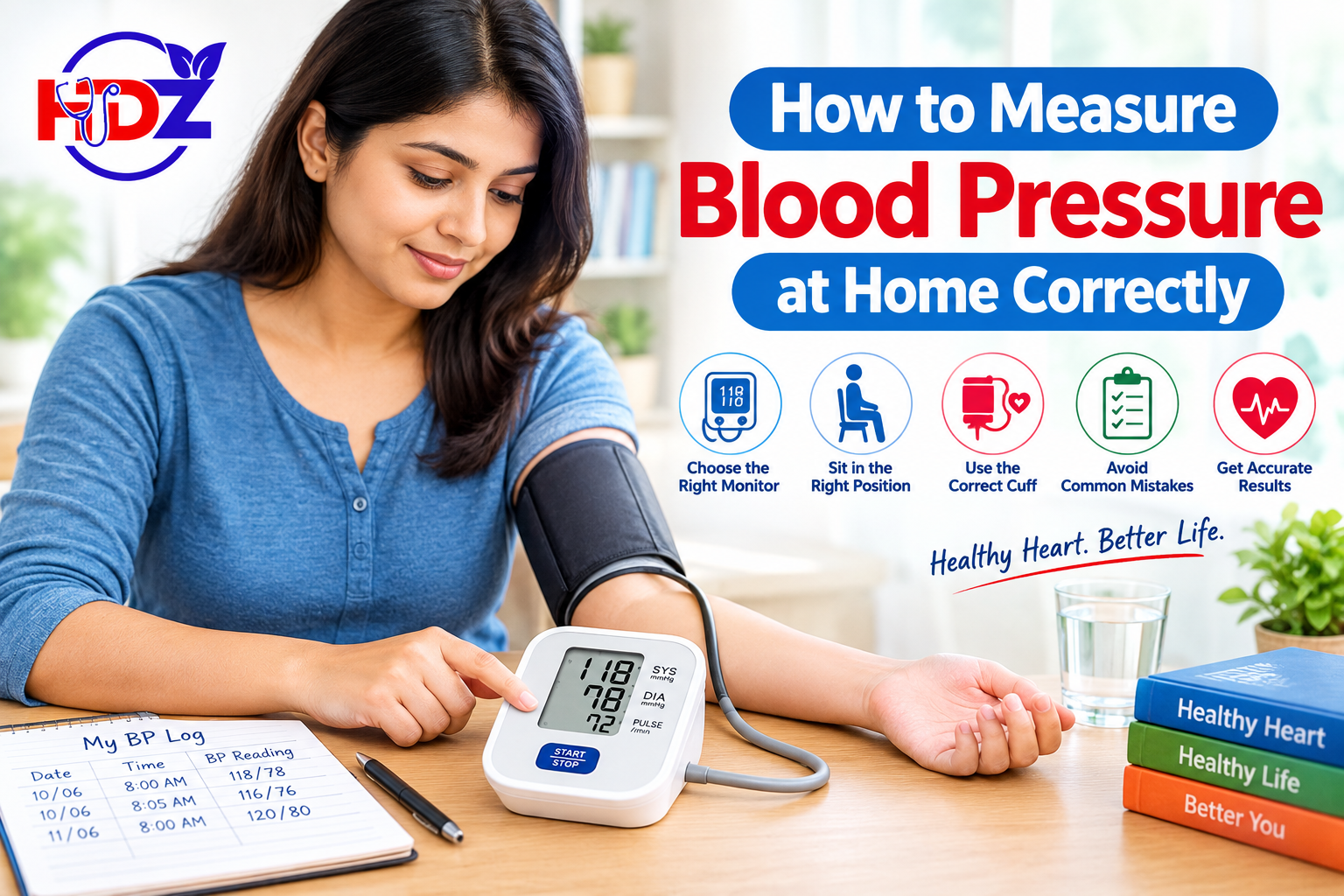

References

  1. NHS – Blood Pressure Test
  2. NHS – High Blood Pressure
  3. American Heart Association – Home Blood Pressure Monitoring
  4. American Heart Association – Home Blood Pressure Measurement Instructions
  5. NICE – Hypertension in Adults
  6. NHS England – Home Blood Pressure Monitoring

How to Lower Blood Pressure Quickly and Safely

How to Lower Blood Pressure Quickly and Safely

How to lower blood pressure safely with a blood pressure monitor

Author: Hello Doctor Zone Editorial Team
Last updated: September 30, 2026
Reading time: 8–10 minutes

High blood pressure, also called hypertension, is common and often causes no obvious symptoms. If your blood pressure reading is higher than usual, you may wonder how to lower blood pressure quickly and whether there is something you can do immediately.

The important thing to understand is that there is no guaranteed safe home method that instantly brings high blood pressure back to normal. The safest approach depends on how high the reading is, whether you have symptoms, and whether you have already been diagnosed with hypertension.

Healthy lifestyle changes can help lower blood pressure over time, while some people also need prescription medication. NICE recommends lifestyle advice for people with raised or diagnosed high blood pressure, including healthy eating, regular physical activity, reducing excessive alcohol intake, reducing sodium, limiting excessive caffeine and stopping smoking.

If you are concerned about your blood pressure, this guide explains practical steps you can take safely.


What Is High Blood Pressure?

Blood pressure is recorded using two numbers.

  • Systolic pressure: the top number, showing pressure when your heart beats.
  • Diastolic pressure: the bottom number, showing pressure when your heart relaxes between beats.

A single high reading does not necessarily mean you have hypertension. Blood pressure can temporarily rise because of stress, physical activity, caffeine, illness or other factors.

In the UK, NICE recommends confirming hypertension using repeated measurements, often with ambulatory or home blood pressure monitoring rather than relying on a single reading.

If you want to understand blood pressure numbers in more detail, read our guide:

👉 What Is a Normal Blood Pressure Reading? Numbers Explained


How to Lower Blood Pressure Safely

1. Sit Quietly and Recheck Your Blood Pressure

If you unexpectedly get a high reading, don’t immediately panic.

Sit quietly, keep your feet flat on the floor, support your arm and avoid talking while measuring. Then repeat the reading.

The American Heart Association recommends repeating a very high reading after at least one minute. A single high reading may not provide enough information to determine whether you have persistent hypertension.

For home monitoring, try to measure your blood pressure under similar conditions each time and keep a record of your results.


2. Reduce Your Salt Intake

Eating too much sodium can contribute to high blood pressure. Reducing salt intake is therefore one of the most useful dietary changes for people with raised blood pressure.

Instead of adding extra salt to meals, try using herbs, spices, garlic, lemon or other salt-free seasonings for flavour.

Also check packaged foods because foods such as processed meats, ready meals, sauces, soups and salty snacks can contain significant amounts of sodium.

NICE recommends keeping dietary sodium intake low because reducing sodium can help reduce blood pressure.

Simple habit:
Before adding salt to your meal, taste the food first.


3. Eat More Heart-Healthy Foods

A balanced diet can support healthy blood pressure.

Try to include more:

  • Vegetables
  • Fruits
  • Beans and lentils
  • Whole grains
  • Nuts and seeds
  • Fish
  • Lean protein
  • Lower-fat dairy products where appropriate

At the same time, reduce your intake of highly processed foods, foods high in salt, and foods high in saturated fat.

A healthy eating pattern is not about one particular food that dramatically lowers blood pressure. Instead, the overall quality of your diet matters.

NICE recommends healthy eating and regular exercise as part of lifestyle management for hypertension.


4. Exercise Regularly

Regular physical activity can help lower blood pressure and improve cardiovascular health.

For many adults, a practical goal is to build towards around 150 minutes of moderate physical activity per week, provided this is appropriate for their health and fitness level. The NHS recommends regular exercise as part of managing high blood pressure.

You don’t necessarily need an expensive gym membership.

You could start with:

  • Brisk walking
  • Cycling
  • Swimming
  • Dancing
  • Gardening
  • Active household activities

If you have been inactive for a long time or have a medical condition, start gradually and speak with a healthcare professional if you are unsure what level of exercise is appropriate.


5. Lose Weight If You Are Overweight

If you are overweight, losing weight can help improve blood pressure and overall cardiovascular health.

You don’t need to make extreme changes. Sustainable habits such as eating balanced meals, reducing highly processed foods and becoming more physically active can support gradual weight management.

The NHS lists losing weight when overweight as one of the lifestyle measures that can help lower blood pressure.

If you are trying to lose weight, focus on long-term habits rather than crash diets.


6. Limit Alcohol

Regularly drinking too much alcohol can contribute to higher blood pressure.

If you drink alcohol, reducing your intake can be beneficial. NHS guidance advises adults not to regularly drink more than 14 units of alcohol per week.

You can also have several alcohol-free days each week.

If you do not drink alcohol, there is no health reason to start drinking.


7. Stop Smoking

Smoking does not simply affect your lungs. Tobacco use also damages blood vessels and increases cardiovascular risk.

Stopping smoking is one of the most important things you can do for your overall heart and blood vessel health.

NICE recommends offering advice and support to people who smoke to help them stop.

If quitting is difficult, speak with a healthcare professional or an approved smoking-cessation service about available support.


8. Be Careful With Excessive Caffeine

Coffee, tea, energy drinks and cola can contain caffeine.

For some people, caffeine can temporarily increase blood pressure. NICE specifically recommends avoiding excessive consumption of coffee and other caffeine-rich products in people with hypertension.

If you notice that your blood pressure readings are higher after consuming large amounts of caffeine, consider reducing your intake and discuss persistent high readings with a healthcare professional.

Do not rely on caffeine withdrawal as a treatment for diagnosed hypertension.


9. Manage Stress and Improve Sleep

Long-term stress can make healthy habits more difficult and may contribute to unhealthy behaviours such as overeating, smoking or drinking too much alcohol.

Try practical stress-management strategies such as:

  • Walking outdoors
  • Deep breathing
  • Relaxing activities
  • Spending time with friends or family
  • Maintaining a regular sleep schedule
  • Taking breaks from work or screens

Stress management should be considered part of an overall healthy lifestyle rather than a replacement for medical treatment.

If you regularly have difficulty sleeping or suspect a sleep disorder, discuss this with a healthcare professional.


10. Take Prescribed Blood Pressure Medicine as Directed

Lifestyle changes are important, but they do not replace medication for everyone.

Some people with hypertension need prescription medication to reduce their risk of heart attack, stroke and other complications.

NICE recommends antihypertensive medication alongside lifestyle measures for adults with persistent stage 2 hypertension and for certain people with stage 1 hypertension depending on their cardiovascular risk and other health conditions.

Never stop, reduce or change your blood pressure medication without speaking with your healthcare professional.

If your blood pressure remains high despite lifestyle changes, your treatment may need to be reviewed.


How to Lower Blood Pressure Quickly at Home

If your blood pressure is temporarily higher than normal, the safest immediate steps are generally to:

  1. Stop exercising and sit somewhere quiet.
  2. Rest for several minutes.
  3. Keep your feet flat on the floor.
  4. Support your arm at approximately heart level.
  5. Avoid talking while measuring.
  6. Repeat the measurement.
  7. Record both readings.
  8. Contact a healthcare professional if the readings remain unusually high.

These steps can help you obtain a more reliable measurement, but they are not a substitute for medical treatment.

If a reading is repeatedly very high, don’t try to force it down with home remedies.


What Blood Pressure Is Too High?

Blood pressure above 180/120 mmHg is considered severe and requires prompt attention.

The American Heart Association recommends waiting at least one minute and repeating a reading this high. If it remains above 180/120, contact a healthcare professional promptly.

NICE guidance similarly treats a clinic blood pressure of 180/120 mmHg or higher as severe hypertension requiring assessment, with same-day specialist assessment when certain serious symptoms or signs are present.


When Is High Blood Pressure an Emergency?

Very high blood pressure together with certain symptoms can indicate a medical emergency.

Seek emergency medical help if you have a very high blood pressure reading together with symptoms such as:

  • Chest pain
  • Severe shortness of breath
  • New confusion
  • Weakness or numbness
  • Difficulty speaking
  • Significant changes in vision
  • Other sudden or severe symptoms

The American Heart Association identifies blood pressure above 180/120 mmHg with symptoms such as chest pain, shortness of breath, weakness, vision changes or difficulty speaking as a hypertensive emergency.

In the UK, call 999 for life-threatening emergencies such as suspected heart attack or stroke. NHS 111 can provide urgent advice when you are unsure what level of care you need.


Can You Lower Blood Pressure Without Medicine?

Sometimes lifestyle changes can significantly improve blood pressure, particularly when blood pressure is mildly raised.

However, not everyone can control hypertension through lifestyle changes alone.

The right treatment depends on factors such as:

  • Your blood pressure readings
  • Your age
  • Cardiovascular risk
  • Kidney health
  • Diabetes
  • Previous heart or blood vessel disease
  • Other medical conditions
  • Response to lifestyle changes

For some people, medication is necessary even when they follow a healthy lifestyle.

If you have already been prescribed medication, continue taking it as directed unless your healthcare professional tells you otherwise.


How Long Does It Take to Lower Blood Pressure?

There is no single timeline that applies to everyone.

Some lifestyle changes can affect blood pressure relatively quickly, while other improvements may take weeks or longer.

For example, reducing salt intake, becoming more physically active, losing excess weight and reducing alcohol consumption can contribute to better blood pressure control over time.

The goal should not be to chase an instant number. The goal is to achieve consistent, healthy blood pressure over the long term.

Keeping a blood pressure diary can help you and your healthcare professional see whether your changes are working. Home monitoring can also help identify patterns over time.


Related Reading

If you want to learn more about high blood pressure, read:

High Blood Pressure Symptoms: 10 Signs You Should Know

You can also read:

10 Ways to Manage High Blood Pressure Without Medicine

And:

What Is a Normal Blood Pressure Reading? Numbers Explained


Frequently Asked Questions

1. How can I lower my blood pressure quickly?

There is no guaranteed home method that instantly normalises high blood pressure. If you get a high reading, sit quietly, measure again correctly and seek medical advice if it remains unusually high. Lifestyle changes can help lower blood pressure over time.

2. Does drinking water lower blood pressure?

Drinking enough fluid is important for normal body function, but drinking extra water is not a reliable treatment for hypertension. If your blood pressure is high, don’t rely on water alone to lower it.

3. Can walking lower blood pressure?

Regular physical activity, including walking, can help improve blood pressure over time. If you are new to exercise, start gradually and choose an activity that is appropriate for your health.

4. Can reducing salt lower blood pressure?

Yes. Reducing dietary sodium can help lower blood pressure, which is why NICE recommends keeping sodium intake low for people with hypertension.

5. Should I stop my blood pressure medicine if my reading becomes normal?

No. A normal reading may mean that your treatment is working. Do not stop or change prescribed medication without speaking with your healthcare professional.

6. Is 180/120 blood pressure dangerous?

A reading of 180/120 mmHg or higher is very high. Repeat the reading after at least one minute. If it remains this high, seek prompt medical advice. If it occurs with serious symptoms such as chest pain, shortness of breath, weakness, vision changes or difficulty speaking, seek emergency medical help.

7. Can stress temporarily raise blood pressure?

Yes, stress can affect blood pressure. However, repeated high readings should not automatically be blamed on stress. Persistent hypertension should be assessed by a healthcare professional.


Final Takeaway

If you’re wondering how to lower blood pressure, focus on safe and sustainable changes rather than quick fixes.

Regular physical activity, a balanced diet, less dietary salt, maintaining a healthy weight, limiting alcohol, avoiding smoking and monitoring your blood pressure can all support better blood pressure control.

However, lifestyle changes are not always enough. Some people need prescription medication, and very high blood pressure can require urgent medical assessment.

If your blood pressure is repeatedly high, speak with a qualified healthcare professional rather than trying to treat it yourself.


Medical Disclaimer

This article is for general educational and informational purposes only. It is not a substitute for professional medical advice, diagnosis or treatment. Blood pressure targets and treatment can vary depending on age, pregnancy, medical conditions and individual cardiovascular risk. Never stop or change prescribed medication without consulting a qualified healthcare professional. If you experience severe or life-threatening symptoms, seek emergency medical care.
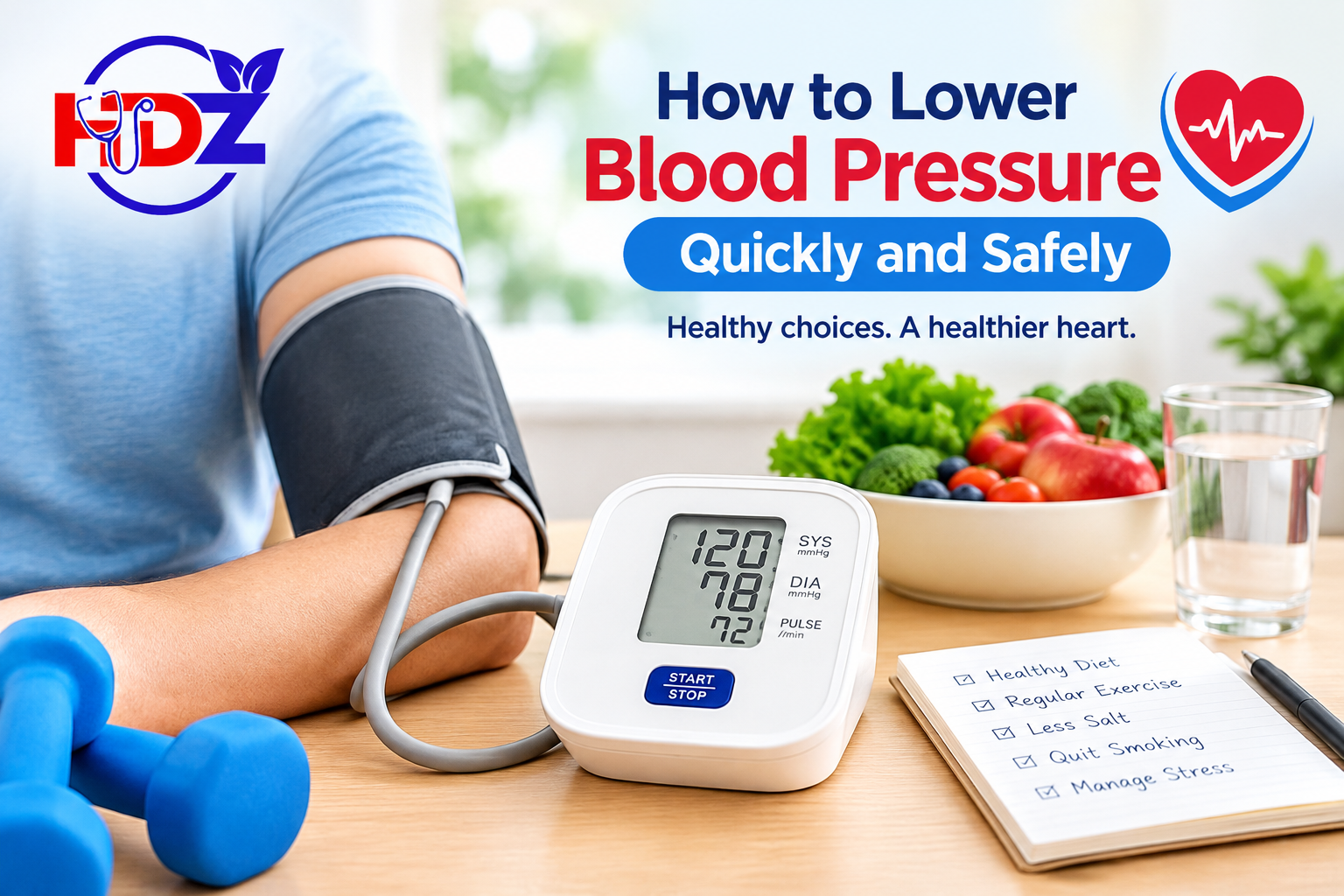
Author: Hello Doctor Zone Editorial Team
Last updated: September 30, 2026


References

  1. NHS – High Blood Pressure NHS: High blood pressure
  2. NICE – Hypertension in adults: diagnosis and management (NG136) NICE: Hypertension in adults
  3. American Heart Association – Understanding Blood Pressure Readings American Heart Association: Blood pressure readings
  4. American Heart Association – Home Blood Pressure Monitoring American Heart Association: Home monitoring
  5. NHS – When to Call 999 NHS: When to call 999


ECG test price in Bangladesh 2026

ECG Test Price in Bangladesh 2026: বাংলাদেশে ECG টেস্টের দাম কত?

ECG test price in Bangladesh 2026

লেখক: Hello Doctor Zone Editorial Team
সর্বশেষ আপডেট: ২৬ সেপ্টেম্বর ২০২৬
পড়তে সময়: ৭ মিনিট

ECG বা Electrocardiogram হলো হৃদপিণ্ডের বৈদ্যুতিক কার্যকলাপ রেকর্ড করার একটি গুরুত্বপূর্ণ ও সাধারণ পরীক্ষা। বুকে ব্যথা, বুক ধড়ফড়, শ্বাসকষ্ট, মাথা ঘোরা বা অনিয়মিত হৃদস্পন্দনের মতো সমস্যায় চিকিৎসক ECG করার পরামর্শ দিতে পারেন।

বাংলাদেশে ECG টেস্টের দাম হাসপাতাল, ডায়াগনস্টিক সেন্টার, শহর এবং পরীক্ষার ধরন অনুযায়ী ভিন্ন হতে পারে। বর্তমানে বিভিন্ন প্রকাশ্য মূল্যতালিকায় সাধারণ ECG-এর দাম প্রায় ৳225 থেকে ৳500 বা তার বেশি দেখা যাচ্ছে; সরকারি প্রতিষ্ঠানে কিছু ক্ষেত্রে খরচ আরও কম হতে পারে।

গুরুত্বপূর্ণ: ECG-এর মূল্য যেকোনো সময় পরিবর্তিত হতে পারে। পরীক্ষা করার আগে সংশ্লিষ্ট হাসপাতাল বা ডায়াগনস্টিক সেন্টারে বর্তমান মূল্য, রিপোর্ট/ডাক্তারের interpretation fee এবং অন্যান্য চার্জ নিশ্চিত করুন।

বাংলাদেশে ECG টেস্টের দাম কত?

সাধারণ resting ECG-এর খরচ প্রতিষ্ঠানভেদে আলাদা। প্রকাশ্য ২০২৬ সালের মূল্যতথ্য অনুযায়ী কিছু বেসরকারি প্রতিষ্ঠানে ECG-এর দাম প্রায় ৳225–৳500 দেখা যাচ্ছে। অন্য কিছু প্রতিষ্ঠানে এর চেয়ে বেশি দামও হতে পারে।

উদাহরণ:

হাসপাতাল/ডায়াগনস্টিক সেন্টারপ্রকাশ্য ECG মূল্য
Ibn Sina Diagnostic Centerপ্রায় ৳225
Popular Medical College & Hospital৳500
Healthcare Diagnostics Center৳450
কিছু অন্যান্য private diagnostic centerপ্রায় ৳250–৳500+

Ibn Sina-এর ECG service-এ 12-lead ECG দেওয়া হয়, যদিও তাদের online service page-এ নির্দিষ্ট বর্তমান দাম দেখানো নেই; তাই তাদের ক্ষেত্রে যাওয়ার আগে সরাসরি price confirm করা উচিত।

Healthcare Diagnostics Center-এর official rate chart-এ ECG-এর মূল্য ৳450 দেওয়া আছে।

Popular Medical College & Hospital-এর official rate chart-এ ECG-এর মূল্য ৳500 দেওয়া আছে।

ECG কী?

ECG-এর পূর্ণরূপ Electrocardiogram। এটি হৃদপিণ্ডের electrical activity বা বৈদ্যুতিক কার্যকলাপের রেকর্ড তৈরি করে।

হৃদপিণ্ডের rhythm ও electrical pattern সম্পর্কে ধারণা পেতে ECG গুরুত্বপূর্ণ একটি পরীক্ষা। তবে ECG রিপোর্টকে একা দেখে সব ধরনের হৃদরোগ নিশ্চিত করা যায় না।

কেন ECG পরীক্ষা করা হয়?

চিকিৎসক বিভিন্ন কারণে ECG করতে বলতে পারেন। যেমন:

  • বুকে ব্যথা বা চাপ অনুভূত হলে

  • বুক ধড়ফড় বা হৃদস্পন্দন অনিয়মিত মনে হলে

  • শ্বাসকষ্ট হলে

  • মাথা ঘোরা বা অজ্ঞান হওয়ার ঘটনা থাকলে

  • কিছু হৃদরোগের মূল্যায়নে

  • কিছু ওষুধের প্রভাব পর্যবেক্ষণে

  • অপারেশনের আগে চিকিৎসকের প্রয়োজন অনুযায়ী

  • পূর্বে হৃদরোগ থাকলে follow-up-এর অংশ হিসেবে

বুকে ব্যথা বা অন্য গুরুতর উপসর্গ থাকলে শুধু ECG-এর দাম বা রিপোর্টের জন্য অপেক্ষা না করে দ্রুত চিকিৎসা নেওয়া গুরুত্বপূর্ণ।

ECG পরীক্ষা কীভাবে করা হয়?

ECG সাধারণত একটি সহজ ও ব্যথামুক্ত পরীক্ষা।

প্রথমে রোগীকে শুয়ে বা আরাম করে থাকতে বলা হয়। এরপর বুক, হাত ও পায়ের নির্দিষ্ট স্থানে ছোট electrode লাগানো হয়। এগুলো হৃদপিণ্ডের electrical signals সংগ্রহ করে ECG machine-এ পাঠায়।

সাধারণ resting ECG সাধারণত কয়েক মিনিটের মধ্যেই সম্পন্ন করা যায়।

ECG পরীক্ষার আগে কি খালি পেটে থাকতে হয়?

সাধারণ resting ECG-এর জন্য সাধারণত খালি পেটে থাকার প্রয়োজন হয় না।

তবে পরীক্ষার আগে ভারী ব্যায়াম, অতিরিক্ত caffeine বা smoking এড়ানোর বিষয়ে কোনো নির্দিষ্ট নির্দেশনা থাকলে সেটি চিকিৎসক বা পরীক্ষাকেন্দ্রের নির্দেশ অনুযায়ী অনুসরণ করুন।

বুকে lotion, oil বা cream ব্যবহার করলে electrode ভালোভাবে লাগতে সমস্যা হতে পারে। তাই পরীক্ষার দিন বুকের ত্বকে অতিরিক্ত lotion বা oil না লাগানো ভালো।

ECG করতে কত সময় লাগে?

সাধারণ ECG পরীক্ষা দ্রুত সম্পন্ন হয়। রোগীর প্রস্তুতি, electrode লাগানো এবং recording মিলিয়ে সাধারণত কয়েক মিনিট সময় লাগতে পারে।

তবে হাসপাতালে registration, waiting time এবং রিপোর্ট পাওয়ার সময় আলাদা হতে পারে।

ECG কি ব্যথা দেয়?

না। ECG সাধারণত ব্যথামুক্ত।

Electrode ত্বকের ওপর লাগানো হয় এবং এগুলো হৃদপিণ্ডে কোনো electrical shock দেয় না। পরীক্ষার সময় machine হৃদপিণ্ডের electrical activity record করে।

কিছু ক্ষেত্রে electrode খুলতে সামান্য অস্বস্তি হতে পারে, বিশেষ করে শরীরে বেশি লোম থাকলে।

ECG রিপোর্টে কী দেখা যায়?

ECG রিপোর্টে সাধারণত হৃদপিণ্ডের electrical activity-এর waveform দেখা যায়।

চিকিৎসক ECG দেখে heart rate, rhythm এবং কিছু electrical pattern মূল্যায়ন করতে পারেন।

রিপোর্টে “normal” বা “abnormal” লেখা থাকলেই নিজে নিজে রোগের diagnosis করা উচিত নয়। রোগীর উপসর্গ, medical history এবং অন্যান্য পরীক্ষার সঙ্গে মিলিয়ে একজন চিকিৎসক ECG ব্যাখ্যা করেন।

ECG কি সব হৃদরোগ শনাক্ত করতে পারে?

না।

ECG একটি গুরুত্বপূর্ণ পরীক্ষা হলেও এটি সব ধরনের হৃদরোগ শনাক্ত করতে পারে না।

কিছু heart rhythm problem মাঝে মাঝে দেখা দেয়। পরীক্ষার সময় সমস্যা না থাকলে resting ECG স্বাভাবিকও আসতে পারে।

প্রয়োজন অনুযায়ী চিকিৎসক আরও পরীক্ষা দিতে পারেন, যেমন:

  • Echocardiogram (2D Echo)

  • Holter monitoring

  • Exercise Tolerance Test (ETT)

  • Blood tests

  • অন্যান্য cardiac imaging

কোন পরীক্ষা দরকার হবে তা রোগীর উপসর্গ ও চিকিৎসকের মূল্যায়নের ওপর নির্ভর করে।

ECG এবং Echo কি একই পরীক্ষা?

না।

ECG হৃদপিণ্ডের electrical activity রেকর্ড করে।

অন্যদিকে Echocardiogram বা 2D Echo ultrasound ব্যবহার করে হৃদপিণ্ডের গঠন ও pumping function সম্পর্কে তথ্য দেয়।

দুটি পরীক্ষার উদ্দেশ্য আলাদা এবং অনেক সময় চিকিৎসক উভয় পরীক্ষাই দিতে পারেন।

ECG টেস্টের দাম কেন আলাদা হয়?

একটি প্রতিষ্ঠানে ECG-এর দাম অন্যটির তুলনায় বেশি বা কম হওয়ার বিভিন্ন কারণ থাকতে পারে।

যেমন:

  • হাসপাতাল বা diagnostic center-এর ধরন

  • location

  • equipment ও service

  • report format

  • doctor interpretation included কি না

  • package-এর অংশ কি না

  • registration বা অন্যান্য service charge

  • emergency service কি না

তাই শুধু test price নয়, মোট কত টাকা দিতে হবে এবং কী কী অন্তর্ভুক্ত আছে তা আগে জেনে নেওয়া ভালো।

ECG করার আগে কী কী জেনে নেবেন?

পরীক্ষা করার আগে ফোন করে জেনে নিতে পারেন:

  1. ECG-এর বর্তমান দাম কত?

  2. এটি কি 12-lead ECG?

  3. Printed report কি fee-এর মধ্যে আছে?

  4. Doctor/cardiologist interpretation-এর জন্য আলাদা fee আছে কি?

  5. Emergency ECG-এর জন্য অতিরিক্ত charge আছে কি?

  6. রিপোর্ট কতক্ষণে পাওয়া যাবে?

  7. আগে appointment দরকার কি না?

এতে অতিরিক্ত বা unexpected charge এড়ানো সহজ হবে।

সরকারি হাসপাতালে ECG-এর দাম কি কম?

অনেক সরকারি স্বাস্থ্য প্রতিষ্ঠানে diagnostic test-এর fee private facility-এর তুলনায় কম হতে পারে। তবে প্রতিটি প্রতিষ্ঠানের বর্তমান rate, availability এবং referral/registration requirements আলাদা হতে পারে।

তাই নির্দিষ্ট সরকারি হাসপাতালের বর্তমান ECG fee আগে সংশ্লিষ্ট কর্তৃপক্ষের কাছ থেকে নিশ্চিত করা ভালো।

ECG test কি নিরাপদ?

সাধারণ resting ECG একটি non-invasive এবং সাধারণত নিরাপদ পরীক্ষা। এতে শরীরে কোনো radiation ব্যবহার করা হয় না এবং ECG electrode electrical signal record করে।

তবে electrode লাগানোর কারণে কিছু মানুষের সামান্য skin irritation হতে পারে।

বুকে ব্যথা হলে ECG কখন করা উচিত?

বুকে চাপ বা ব্যথা, শ্বাসকষ্ট, ঠান্ডা ঘাম, বমি বমি ভাব, অস্বাভাবিক দুর্বলতা বা ব্যথা হাত/কাঁধ/চোয়ালে ছড়িয়ে পড়ার মতো উপসর্গ হলে এটিকে জরুরি অবস্থা হিসেবে গুরুত্ব দিন।

এ ধরনের উপসর্গ থাকলে শুধু online article পড়ে বা ECG test price তুলনা করে সময় নষ্ট না করে জরুরি চিকিৎসা নিন।

Frequently Asked Questions (FAQ)

বাংলাদেশে ECG test-এর দাম কত?

সাধারণ ECG-এর দাম প্রতিষ্ঠানভেদে পরিবর্তিত হয়। ২০২৬ সালের প্রকাশ্য তথ্য অনুযায়ী কিছু private diagnostic center-এ প্রায় ৳225–৳500 দামের উদাহরণ পাওয়া যাচ্ছে, তবে কিছু প্রতিষ্ঠানে এর চেয়ে বেশি হতে পারে।

ECG কি খালি পেটে করতে হয়?

সাধারণত resting ECG-এর জন্য fasting দরকার হয় না। তবে অন্য কোনো পরীক্ষার সঙ্গে ECG করলে সেই পরীক্ষার fasting requirement থাকতে পারে।

ECG করতে কত সময় লাগে?

সাধারণ resting ECG দ্রুত সম্পন্ন হয় এবং recording সাধারণত কয়েক মিনিটের মধ্যে করা যায়।

ECG কি ব্যথা দেয়?

না। ECG সাধারণত ব্যথামুক্ত পরীক্ষা।

ECG কি হার্ট অ্যাটাক শনাক্ত করতে পারে?

ECG হার্ট অ্যাটাকের মূল্যায়নে গুরুত্বপূর্ণ পরীক্ষা হতে পারে, কিন্তু ECG একাই সব ক্ষেত্রে চূড়ান্ত diagnosis দেয় না। উপসর্গ ও অন্যান্য পরীক্ষার ফলও বিবেচনা করা হয়।

ECG এবং Echo কি একই?

না। ECG হৃদপিণ্ডের electrical activity রেকর্ড করে, আর Echo ultrasound-এর মাধ্যমে হৃদপিণ্ডের structure ও function মূল্যায়ন করে।

ECG রিপোর্ট normal হলে কি হার্ট পুরোপুরি সুস্থ?

অবশ্যই নয়। কিছু হৃদরোগ বা intermittent rhythm problem একটি সাধারণ ECG-তে ধরা নাও পড়তে পারে। উপসর্গ থাকলে চিকিৎসকের পরামর্শ নেওয়া জরুরি।

সংক্ষেপে

বাংলাদেশে ECG টেস্টের দাম হাসপাতাল ও diagnostic center অনুযায়ী পরিবর্তিত হয়। ২০২৬ সালের প্রকাশ্য মূল্যতথ্যে কিছু প্রতিষ্ঠানে প্রায় ৳225 থেকে ৳500 দামের উদাহরণ রয়েছে, আবার অন্য প্রতিষ্ঠানে আরও বেশি হতে পারে।

ECG একটি দ্রুত, সাধারণত ব্যথামুক্ত পরীক্ষা হলেও রিপোর্ট নিজে নিজে interpret করা উচিত নয়। বুকে ব্যথা, শ্বাসকষ্ট, বুক ধড়ফড় বা অন্য কোনো গুরুতর উপসর্গ থাকলে একজন যোগ্য চিকিৎসকের পরামর্শ নিন।

⚠️ স্বাস্থ্য-সংক্রান্ত গুরুত্বপূর্ণ নোট

এই article সাধারণ স্বাস্থ্যতথ্যের উদ্দেশ্যে লেখা। এটি রোগ নির্ণয় বা ব্যক্তিগত চিকিৎসা পরামর্শের বিকল্প নয়। ECG-এর বর্তমান মূল্য পরিবর্তিত হতে পারে, তাই পরীক্ষা করার আগে সংশ্লিষ্ট হাসপাতাল বা diagnostic center-এর সঙ্গে যোগাযোগ করে মূল্য ও অন্যান্য charges নিশ্চিত করুন।

তথ্যসূত্র

What Is a Normal Blood Pressure Reading? Numbers Explained

What Is a Normal Blood Pressure Reading? Numbers Explained

Normal blood pressure reading on a digital blood pressure monitor

Author: Hello Doctor Zone Editorial Team
Last updated: September 18, 2026
Reading time: 8–10 minutes

Introduction

Blood pressure is one of the simplest health measurements, but knowing what the numbers actually mean can be confusing.

A blood pressure reading is usually written as two numbers, such as 120/80 mmHg. The first number is systolic blood pressure, while the second is diastolic blood pressure.

A single reading does not always tell the full story. Blood pressure can vary depending on the time of day, activity, stress and how the measurement is taken.

This guide explains what different blood pressure numbers can mean, how to measure your blood pressure at home, and when you should speak with a healthcare professional.

If you want to understand the common warning signs of high blood pressure, read our guide to High Blood Pressure Symptoms: 10 Signs You Should Know.


What Do the Two Blood Pressure Numbers Mean?

A blood pressure reading contains two numbers:

1. Systolic blood pressure

The top number is called systolic blood pressure.

It measures the pressure in your arteries when your heart contracts and pumps blood around your body.

2. Diastolic blood pressure

The bottom number is called diastolic blood pressure.

It measures the pressure in your arteries while your heart relaxes between beats.

For example:

120/80 mmHg

  • 120 = systolic pressure
  • 80 = diastolic pressure
  • mmHg = millimetres of mercury

What Is a Normal Blood Pressure Reading?

For many adults, a reading around 120/80 mmHg is commonly used as an example of a healthy blood pressure reading.

However, there is not one single blood pressure number that is ideal for everyone.

According to the NHS, blood pressure is generally considered high when it is 140/90 mmHg or higher when measured by a healthcare professional, or 135/85 mmHg or higher when measured at home.

Your healthcare professional may use different targets depending on your age and health conditions.


Blood Pressure Numbers: What Do They Mean?

A simple guide is:

Blood pressure readingGeneral meaning
Around 120/80 mmHgCommonly considered a healthy reading
120/80 to below 140/90May require monitoring depending on the circumstances
140/90 mmHg or higher in a clinical settingMay indicate high blood pressure
135/85 mmHg or higher at homeMay indicate high blood pressure

These figures are general guidance, not a diagnosis. Diagnosis may require repeated measurements or home/ambulatory monitoring.

In Canada, Hypertension Canada also uses out-of-office measurements as part of assessing suspected hypertension, with a home blood pressure average of 135/85 mmHg or higher considered high.


Is 120/80 Always the Perfect Blood Pressure?

Not necessarily.

Blood pressure naturally changes throughout the day. It can temporarily increase after exercise, during stress or after consuming caffeine.

It can also vary between measurements.

That’s why healthcare professionals may look at multiple readings rather than relying on one measurement.

If you occasionally get a slightly higher reading, don’t assume that you have hypertension based on that reading alone.


What Is Considered High Blood Pressure?

High blood pressure, also called hypertension, means that blood pressure remains higher than recommended over time.

In the UK, the NHS generally considers blood pressure high at:

  • 140/90 mmHg or above when checked by a healthcare professional
  • 135/85 mmHg or above when checked at home

In Canada, assessment can involve office measurements as well as home or ambulatory monitoring.

If your readings are repeatedly high, speak with a healthcare professional.


How to Check Your Blood Pressure at Home

Home blood pressure monitoring can provide useful information when done correctly.

The NHS recommends taking a reading, recording it, waiting about one minute and taking another reading. Your healthcare professional can tell you how many days you should monitor it.

For a more reliable reading:

  1. Sit quietly for a few minutes.
  2. Keep your back supported.
  3. Keep your feet flat on the floor.
  4. Rest your arm on a table.
  5. Place the cuff correctly on your upper arm.
  6. Do not talk during the measurement.
  7. Take two readings about one minute apart.
  8. Record the results.

Hypertension Canada recommends a home-monitoring series using duplicate morning and evening readings over seven days, with the first day’s readings excluded from the average.


Why Can Blood Pressure Be High Temporarily?

Your blood pressure can change from one measurement to another.

Temporary increases may occur because of:

  • Exercise
  • Stress or anxiety
  • Caffeine
  • Smoking
  • Pain
  • Lack of rest
  • Incorrect measurement technique

This is one reason healthcare professionals may repeat measurements before deciding whether someone has hypertension.


What If My Blood Pressure Is High?

If your blood pressure is repeatedly high, don’t ignore it.

Make an appointment with a healthcare professional who can assess your readings and decide whether you need further monitoring or treatment.

Lifestyle changes such as regular physical activity, eating a healthy diet, reducing salt and limiting alcohol can help manage high blood pressure. Some people may also need medication.

Do not stop prescribed blood pressure medication without speaking with your doctor or healthcare professional.


What If My Blood Pressure Is Low?

Low blood pressure can occur in some healthy people and may not always be a problem.

However, if low blood pressure is accompanied by symptoms such as:

  • Dizziness
  • Fainting
  • Weakness
  • Blurred vision
  • Confusion

Lifestyle changes such as regular physical activity, eating a healthy diet, reducing salt and limiting alcohol can help manage high blood pressure. For more practical tips, see our guide on 10 Ways to Manage High Blood Pressure Without Medicine.

you should seek medical advice.

A healthcare professional can help determine whether your blood pressure is too low for you and whether an underlying problem needs to be investigated.


When Should You Seek Urgent Medical Help?

If you have a very high blood pressure reading together with concerning symptoms, seek urgent medical attention.

Symptoms such as:

  • Severe chest pain
  • Severe difficulty breathing
  • Sudden weakness or numbness
  • Sudden difficulty speaking
  • Severe confusion
  • Loss of consciousness

can require emergency assessment.

If you are in the UK, call 999 for a life-threatening emergency. In Canada, call 911.


Frequently Asked Questions

Is 120/80 a normal blood pressure?

A reading of around 120/80 mmHg is commonly used as an example of a healthy blood pressure reading. However, your appropriate blood pressure range can depend on your individual circumstances.

Is 130/80 high blood pressure?

A reading of 130/80 does not automatically mean that you have hypertension. Blood pressure should be interpreted in context and, when necessary, assessed using repeated or out-of-office measurements.

Is 140/90 considered high?

In the UK, 140/90 mmHg or higher when measured by a healthcare professional is generally considered high. Home readings use a lower threshold of 135/85 mmHg or higher.

How often should I check my blood pressure?

How often you should check it depends on your age, health and whether you have been diagnosed with high blood pressure. If you’re monitoring at home, follow the schedule recommended by your healthcare professional.

Can one high reading mean I have hypertension?

Not necessarily. Blood pressure can change throughout the day, so healthcare professionals may use repeated readings or home/ambulatory monitoring to confirm the situation.


Final Takeaway

Understanding your blood pressure numbers can help you take better care of your cardiovascular health.

A reading such as 120/80 mmHg is commonly used as a healthy example, while repeated readings around 140/90 mmHg or higher in a clinical setting or 135/85 mmHg or higher at home may indicate high blood pressure and should be discussed with a healthcare professional.

If you regularly monitor your blood pressure, keep a record of your readings and share them with your healthcare professional when appropriate.

How to Lower Blood Pressure Naturally: 10 Evidence-Based Tips

How to Lower Blood Pressure Naturally: 10 Evidence-Based Tips

How to lower blood pressure naturally with healthy lifestyle changes

Author: Hello Doctor Zone Editorial Team
Last updated: September 1, 2026
Reading time: 9–11 minutes

High blood pressure, also known as hypertension, is common and often causes no obvious symptoms. If left uncontrolled, it can increase the risk of serious health problems, including heart disease and stroke.

The good news is that healthy lifestyle changes can help lower blood pressure and support better heart health. Some people may also need prescription medication, depending on their blood pressure and overall cardiovascular risk.

In this article, we explain 10 practical ways to lower blood pressure naturally and when you should speak with a healthcare professional.

What Is High Blood Pressure?

Blood pressure is the force of blood pushing against the walls of your arteries.

A blood pressure reading has two numbers:

  • Systolic pressure: the top number, when your heart contracts.
  • Diastolic pressure: the bottom number, when your heart relaxes.

According to NHS guidance, blood pressure is generally considered high when it is 140/90 mmHg or higher when checked by a healthcare professional, or 135/85 mmHg or higher when checked at home. Diagnosis should be based on appropriate measurements rather than a single reading.


10 Ways to Lower Blood Pressure Naturally

1. Reduce Your Salt Intake

Eating too much salt can contribute to high blood pressure.

For adults, NHS guidance recommends having no more than 6 grams of salt per day, which is approximately one level teaspoon. This includes salt already present in food as well as salt added during cooking or at the table.

Many people consume more salt than they realise because it is found in packaged foods, sauces, processed meats, ready meals, takeaways and other everyday foods.

Simple ways to eat less salt:

  • Taste food before adding extra salt.
  • Choose lower-salt products.
  • Check food labels.
  • Eat fewer processed foods.
  • Reduce salty snacks.
  • Use herbs, spices, garlic, lemon or black pepper for flavour.

Reducing salt does not mean that your food has to be bland.


2. Eat More Fruit and Vegetables

A balanced diet containing plenty of fruit and vegetables can support cardiovascular health and help with blood pressure management.

Try to include a variety of:

  • Leafy green vegetables
  • Tomatoes
  • Carrots
  • Broccoli
  • Berries
  • Apples
  • Oranges
  • Bananas
  • Beans and other pulses

Rather than focusing on one “superfood,” aim for a balanced eating pattern that you can maintain long term.

NHS guidance recommends a healthy, balanced diet as part of managing high blood pressure.


3. Exercise Regularly

Regular physical activity can help lower blood pressure and improve overall cardiovascular fitness.

For many adults, the NHS recommends aiming for at least 150 minutes of moderate physical activity per week.

You do not necessarily need to join a gym.

Activities can include:

  • Brisk walking
  • Cycling
  • Swimming
  • Dancing
  • Gardening
  • Jogging
  • Exercise classes

If you have not exercised for a long time or have a health condition, speak with a healthcare professional about what type and amount of exercise is appropriate for you.


4. Lose Weight If You Are Overweight

Being overweight can increase your risk of high blood pressure.

If you are overweight, gradually losing weight can support healthier blood pressure and improve overall cardiovascular health.

You do not need to follow extreme diets or attempt rapid weight loss.

Instead, focus on sustainable changes such as:

  • Eating more vegetables
  • Reducing highly processed foods
  • Controlling portion sizes
  • Drinking more water instead of sugary drinks
  • Being more physically active

If you need help with weight management, a doctor, dietitian or other qualified healthcare professional can help you create a suitable plan.


5. Limit Alcohol

Drinking too much alcohol can contribute to high blood pressure.

NHS guidance recommends that adults who drink alcohol should generally have no more than 14 units per week, spread over 3 or more days. Having several alcohol-free days each week can also help.

If you currently drink heavily, reducing your intake can be an important step toward better health.

If you are dependent on alcohol, however, do not suddenly stop without medical advice, because withdrawal can be dangerous for some people.


6. Stop Smoking

Smoking damages blood vessels and increases cardiovascular risk.

Stopping smoking is one of the most important things you can do for your overall heart and blood vessel health.

If you smoke and want to quit, consider speaking with a healthcare professional or a recognised smoking-cessation service for support.

Do not be discouraged if you have tried to quit before. Many people need more than one attempt before they stop successfully.


7. Reduce Excess Caffeine

Caffeine can temporarily increase blood pressure in some people.

Coffee, tea, cola and energy drinks can contain caffeine.

If you have high blood pressure, you may want to pay attention to how your blood pressure responds to caffeinated drinks.

Avoid relying on very large amounts of caffeine to stay awake or improve energy levels.

If you are concerned about your caffeine intake or blood pressure, discuss it with a healthcare professional.


8. Manage Long-Term Stress

Long-term stress can affect your overall health and may contribute to unhealthy habits such as overeating, smoking, drinking alcohol or being physically inactive.

Finding healthy ways to manage stress can support your overall wellbeing.

You could try:

  • Regular walking
  • Breathing exercises
  • Meditation
  • Spending time with friends or family
  • Reading
  • Gentle exercise
  • Taking regular breaks from work
  • Maintaining a consistent sleep routine

Stress management should be considered part of a healthy lifestyle rather than a replacement for medical treatment.


9. Get Your Blood Pressure Checked Regularly

Because high blood pressure often causes no symptoms, checking your blood pressure is much more reliable than waiting until you feel unwell.

Blood pressure can be checked in healthcare settings and, in some places, pharmacies.

You can also monitor it at home using a suitable blood pressure monitor.

When checking your blood pressure at home:

  1. Sit comfortably.
  2. Keep your feet flat on the floor.
  3. Support your arm on a table.
  4. Relax before taking the measurement.
  5. Avoid talking while the reading is being taken.
  6. Follow the instructions supplied with your monitor.
  7. Record your readings if your healthcare professional recommends monitoring.

NHS guidance notes that home monitoring can be used when appropriate to assess blood pressure.


10. Take Blood Pressure Medication If Prescribed

Lifestyle changes are important, but they are not always enough on their own.

Some people with hypertension need medication to reduce their blood pressure and cardiovascular risk.

Your doctor may recommend medication depending on factors such as:

  • How high your blood pressure is
  • Your age
  • Your cardiovascular risk
  • Other health conditions
  • Whether lifestyle changes have been sufficient

There are several types of blood pressure medicines, and the best option depends on the individual.

Never stop taking prescribed blood pressure medication without speaking with your doctor first.


What Foods Can Help Support Healthy Blood Pressure?

There is no single food that can cure hypertension.

However, a balanced diet can support healthier blood pressure.

Good choices can include:

  • Fresh vegetables
  • Fruits
  • Whole grains
  • Beans and pulses
  • Nuts and seeds without added salt
  • Lean sources of protein
  • Fish
  • Lower-fat dairy products, where suitable

Try to limit foods that are particularly high in salt, saturated fat or added sugar.

Remember that overall eating habits matter more than one individual food.


What Foods Should You Limit If You Have High Blood Pressure?

Consider limiting foods that are frequently high in salt or unhealthy fats, such as:

  • Processed meats
  • Crisps and salty snacks
  • Instant noodles
  • Some ready meals
  • Fast food
  • Takeaways
  • Very salty sauces
  • Foods with large amounts of added salt

Always check food labels when possible.

NHS guidance notes that much of the salt people eat comes from everyday packaged and processed foods rather than simply from the salt shaker.


How Quickly Can Lifestyle Changes Lower Blood Pressure?

There is no single timeframe that applies to everyone.

Blood pressure can respond differently depending on your starting blood pressure, diet, activity level, weight, medications and other health factors.

Some lifestyle improvements may have an effect within weeks, while maintaining healthier habits over months and years is important for long-term cardiovascular health.

The goal should not be a quick temporary change.

The goal is to build habits that you can maintain.


Can You Lower Blood Pressure Without Medication?

Sometimes lifestyle changes can significantly improve blood pressure.

However, not everyone can control hypertension through lifestyle changes alone.

If your blood pressure is very high or your doctor believes you have a higher risk of cardiovascular complications, medication may be recommended alongside lifestyle changes.

Therefore, do not stop or avoid prescribed medication because you have started exercising or changing your diet.


When Should You See a Doctor?

Speak with a healthcare professional if:

  • You repeatedly have high blood pressure readings.
  • You have risk factors for hypertension.
  • You have been advised to monitor your blood pressure.
  • You are taking blood pressure medication.
  • You are experiencing concerning symptoms.
  • You are unsure whether your home blood pressure readings are normal.

Regular monitoring can help identify high blood pressure before it causes serious complications.


When Is High Blood Pressure an Emergency?

High blood pressure often causes no symptoms, but some symptoms can indicate a serious medical emergency.

Seek emergency medical help if you develop symptoms such as:

  • Severe or persistent chest pain
  • Severe difficulty breathing
  • Sudden weakness or numbness
  • Sudden facial drooping
  • Difficulty speaking
  • Sudden confusion
  • Loss of consciousness
  • Sudden serious changes in vision

In the UK, call 999 for a life-threatening emergency.

In Canada, call 911 for a medical emergency.

Do not rely on an online article to diagnose an emergency.


Frequently Asked Questions

What is the fastest way to lower blood pressure naturally?

There is no guaranteed instant natural method for safely lowering high blood pressure. Sustainable lifestyle changes such as reducing salt, exercising regularly, maintaining a healthy weight and limiting alcohol can help manage blood pressure over time.

Can drinking water lower blood pressure?

Staying adequately hydrated is important for general health, but drinking extra water is not a treatment for hypertension. If your blood pressure is high, follow appropriate medical and lifestyle advice.

Does walking lower blood pressure?

Regular physical activity, including activities such as brisk walking, can support healthier blood pressure and cardiovascular fitness. NHS guidance recommends regular exercise as part of a healthy lifestyle.

Can cutting salt lower blood pressure?

Reducing excessive salt intake can help lower blood pressure. Adults are generally advised to consume no more than 6g of salt per day in NHS guidance.

Can high blood pressure be cured naturally?

Some people can improve their blood pressure substantially through lifestyle changes, but hypertension does not always disappear completely. Some people need long-term medication in addition to lifestyle measures.

Should I stop my blood pressure medicine if my readings improve?

No. Never stop or change prescribed blood pressure medication without discussing it with your doctor. Improved readings may mean that your treatment is working.


Final Takeaway

The best way to lower blood pressure naturally is to focus on consistent, evidence-based lifestyle changes.

Start with practical steps:

  • Eat a balanced diet.
  • Reduce excess salt.
  • Exercise regularly.
  • Maintain a healthy weight.
  • Limit alcohol.
  • Stop smoking.
  • Be sensible with caffeine.
  • Manage long-term stress.
  • Check your blood pressure regularly.
  • Take prescribed medication as directed.

Small changes can add up over time. If you have consistently high blood pressure, speak with a qualified healthcare professional rather than trying to manage the condition entirely on your own.


Medical Disclaimer

This article is for general educational and informational purposes only. It is not a substitute for professional medical advice, diagnosis or treatment.

Do not stop, start or change prescription medication based solely on information in this article. If you have concerns about your blood pressure or symptoms, speak with a qualified healthcare professional.
Hello Doctor Zone does not provide emergency medical care. In an emergency, contact your local emergency service.


References

  1. NHS — High Blood Pressure
  2. NHS — Blood Pressure Test
  3. NHS — Salt in Your Diet
  4. NHS — Drink Less Alcohol
  5. NICE — Hypertension in Adults: Diagnosis and Management

Official source material used for this article includes current NHS guidance on high blood pressure, blood-pressure measurement, salt and alcohol.